UK-wide practical beekeeping certification

Practical Beekeeping Certification for the UK

Structured learning, mentor-supported practical development and evidence-based assessment for committed hobbyist beekeepers.

Real beekeeping. Real evidence. BeeEducated is built around what you can observe, interpret, decide and demonstrate in the apiary.

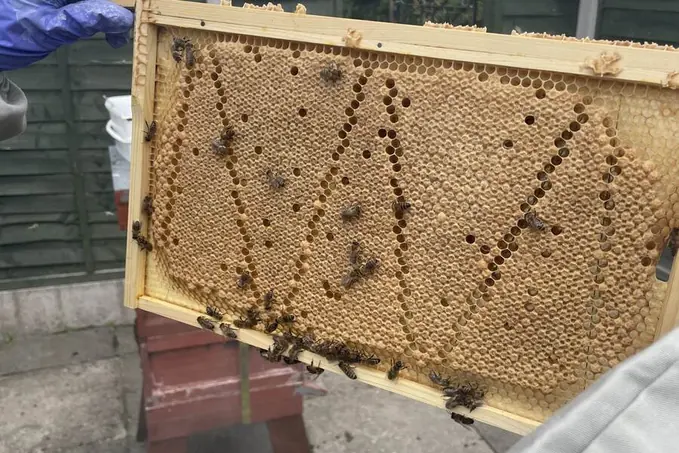
Beekeeper holding a densely covered honey bee frame during a practical colony inspection.
Learn it.Structured knowledge and guidance.
Practise it.Real colonies in real settings.
Demonstrate it.Build authentic evidence over time.
Get certified.Independent BeeEducated assessment.
A practical route

Learn nationally. Practise locally.

You can develop practical evidence at your local association apiary, a community garden or allotment apiary, a mentor’s apiary or with your own colonies. Your mentor helps you find genuine opportunities to demonstrate competence; BeeEducated assessors make the assessment decisions.

01

Structured learning

Learn the principles before and between apiary sessions, with knowledge checks linked to the standard.

02

Mentor-supported practice

Work with an experienced beekeeper in a suitable local setting and increasingly make your own decisions.

03

Portfolio evidence

Use videos, records, photographs, reflections and follow-up evidence from real activities.

04

End Point Assessment

When the gateway is complete, demonstrate integrated judgement through professional discussion and scenarios.

Honey bees on a brood frame with capped and open cells during a colony inspection.
A brood frame provides evidence about brood pattern, colony condition and management needs.
A white-marked honey bee queen surrounded by worker bees on honeycomb.
Queen status can be assessed from direct observation and the wider evidence in the colony.
A honey bee swarm clustered on a leafy tree branch.
Swarm management requires recognising colony behaviour and choosing proportionate action.
The BeeEducated Standard

Fifteen competency areas. One coherent standard.

From colony inspection and swarm management to bee health, biosecurity, honey production and reflective practice, the standard is designed around the work a responsible hobbyist beekeeper actually does.

A beekeeper holds a busy frame of worker honey bees and comb for inspection.
C1

Colony inspection, records and management decisions

Inspect proportionately, record accurately, interpret colony condition and make reasoned management decisions.

Read competency guide
Beekeepers wearing protective clothing and gloves inspect a frame of honey bees above an open hive.
C2

Biosecurity

Apply effective, proportionate biosecurity in routine beekeeping and higher-risk situations.

Read competency guide
Honey bees clustered around the entrance and front face of a wooden hive in grassland.
C3

Seasonal colony management and overwintering

Manage colonies through spring build-up, the active season, dearth, autumn preparation and winter.

Read competency guide
Worker honey bees moving across open honeycomb cells during an inspection.
C4

Nutrition, feeding and stores

Assess stores and nutritional status and make appropriate feeding decisions while managing associated risks.

Read competency guide
A honey bee swarm clustered on a leafy tree branch.
C5

Swarm prevention, control and colony reproduction

Recognise swarm preparation, manage swarm risk and use appropriate control or increase methods.

Read competency guide
A white-marked honey bee queen surrounded by worker bees on honeycomb.
C6

Queen status and colony recovery

Assess queen status from colony evidence and choose proportionate recovery actions when queen performance or mating fails.

Read competency guide
A white-marked honey bee queen surrounded by worker bees on honeycomb.
C7

Selective breeding, queen rearing and introduction

Select suitable breeding material, rear queens at an appropriate scale and introduce queens successfully.

Read competency guide
Close-up of capped brood and open cells being examined during a honey bee health inspection.
C8

Varroa and parasitic mite management

Monitor mite pressure, interpret results, choose proportionate controls and review outcomes.

Read competency guide
Open brood comb being examined closely during a honey bee health inspection.
C9

Adult and brood bee health

Recognise normal and abnormal signs, investigate possible causes and know when specialist, laboratory or statutory support is required.

Read competency guide
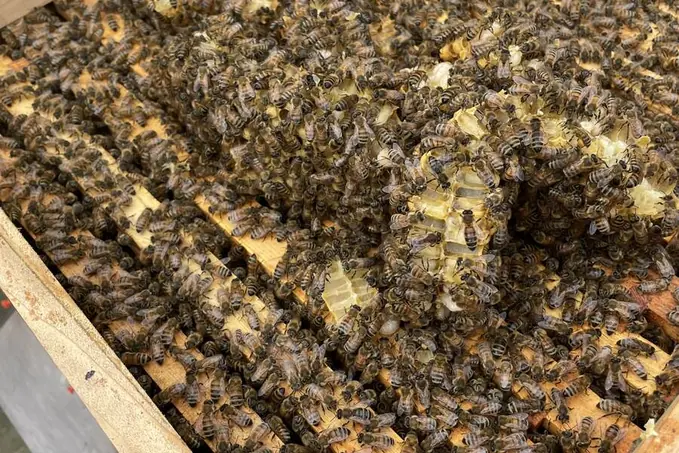
A large cluster of honey bees gathered on the front of a wooden hive.
C10

Establishing, increasing, uniting and moving colonies

Create viable increases, establish colonies, unite safely and move bees with appropriate planning and biosecurity.

Read competency guide
Worker honey bees clustered along the top bar of a hive frame in an apiary.
C11

Honey production, harvesting and selling

Assess crop readiness, harvest hygienically, process and store honey, and understand current requirements for selling.

Read competency guide
A honey bee frame containing a broad area of capped brood with adult bees on the comb.
C12

Hive, comb and equipment management

Select, maintain, clean, store and replace equipment and comb according to colony health, disease risk and management objectives.

Read competency guide
Beekeepers wearing protective clothing and gloves inspect a frame of honey bees above an open hive.
C13

Apiary management and safe working

Site and manage apiaries responsibly and work safely around bees, equipment, people, livestock and the public.

Read competency guide
Close-up of capped brood and open cells being examined during a honey bee health inspection.
C14

Exotic pests, invasive species and statutory responsibilities

Maintain surveillance for important threats, recognise suspicious signs and respond appropriately to statutory or inspector-led requirements.

Read competency guide
Beekeeper holding a densely covered honey bee frame during a practical colony inspection.
C15

Reflective, responsible and evidence-led practice

Review outcomes, recognise limits, use reliable information and adapt decisions rather than following a rigid calendar.

Read competency guide
Evidence by activity

Turn real beekeeping into useful evidence

Start with the activity you are actually doing. The evidence guide shows which competency areas may naturally arise, what useful evidence might look like and common gaps to avoid.

Open brood comb being examined closely during a honey bee health inspection.
Evidence by activity

Full colony health inspection

A normal colony inspection can provide rich, naturally occurring evidence when the learner records what they saw, how they interpreted it and what happened next.

See potential evidence
Close-up of capped brood and open cells being examined during a honey bee health inspection.
Evidence by activity

Varroa monitoring or treatment

Strong evidence shows the monitoring result, the learner’s interpretation, the reason for action or non-action and appropriate follow-up.

See potential evidence
Beekeepers wearing protective clothing and gloves inspect a frame of honey bees above an open hive.
Evidence by activity

Shook swarm

A shook swarm can demonstrate planning, practical manipulation, biosecurity, comb management, welfare and reflective practice when it is genuinely justified.

See potential evidence
A honey bee frame containing a broad area of capped brood with adult bees on the comb.
Evidence by activity

Bailey comb change

Evidence should show why comb renewal is appropriate, how the change is planned and how the colony is monitored through the transition.

See potential evidence
A honey bee swarm clustered on a leafy tree branch.
Evidence by activity

Swarm control

Swarm-control evidence is strongest when it captures early indicators, the learner’s chosen strategy, practical execution and later outcome.

See potential evidence
A white-marked honey bee queen surrounded by worker bees on honeycomb.
Evidence by activity

Queen introduction

The learner should demonstrate why requeening is appropriate, prepare the receiving colony, choose a suitable introduction method and confirm the outcome.

See potential evidence
A large cluster of honey bees gathered on the front of a wooden hive.
Evidence by activity

Making a nuc / split

A viable increase requires more than moving frames: the learner should show colony selection, resource balance, queen plan and follow-up.

See potential evidence
Worker honey bees moving across open honeycomb cells during an inspection.
Evidence by activity

Feeding / stores assessment

Good evidence begins with assessment of need, not simply showing that feed was given.

See potential evidence
Worker honey bees clustered along the top bar of a hive frame in an apiary.
Evidence by activity

Honey harvest

A harvest can demonstrate crop assessment, hygienic handling, practical processing, equipment use and current selling requirements.

See potential evidence
Honey bees clustered around the entrance and front face of a wooden hive in grassland.
Evidence by activity

Autumn & winter preparation

Winter preparation should be based on the actual colony, local conditions and risks rather than a fixed checklist alone.

See potential evidence
A large cluster of honey bees gathered on the front of a wooden hive.
Evidence by activity

Moving a colony

A colony move can evidence planning, securing and ventilating the colony, safe handling, siting and biosecurity.

See potential evidence
For committed hobbyists

Not attendance-based. Competency-based.

BeeEducated is for people who want a structured way to become more capable, more reflective and more responsible in their beekeeping — and to have that competence assessed against a clear standard.