UK ONLINE COURSE · JANUARY 2027
Learn beekeeping online. Start responsibly.
Thirteen weeks of structured live teaching, recorded lessons and Moodle activities. Learn how to understand and care for honey bee colonies before thinking about owning your own.
Theory enrolment closes 31 December 2026. Practical training is separate and not guaranteed.
WHO THE COURSE IS FOR
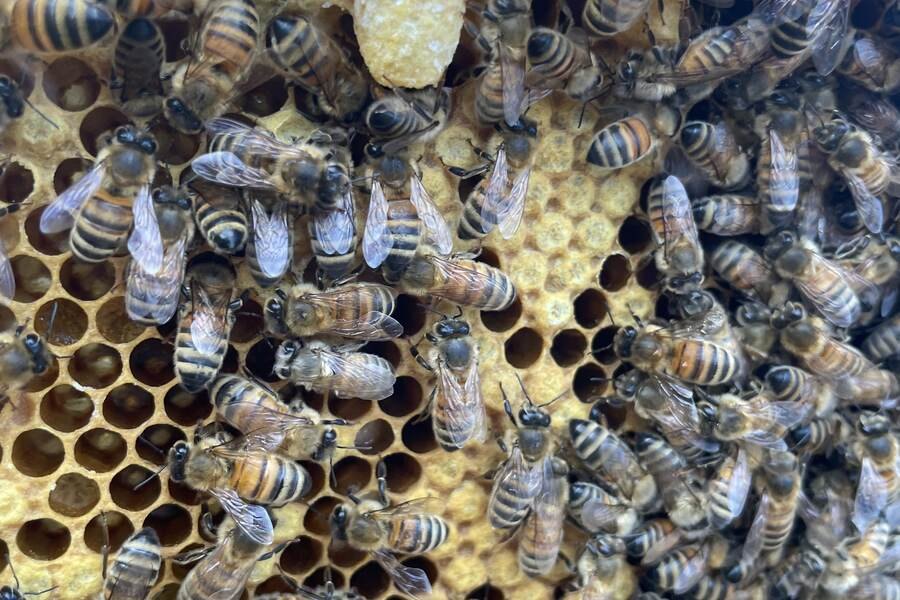
You don't need to own bees to begin learning.
Theory is open to learners across the UK, whether you're exploring beekeeping for the first time or want to strengthen your understanding. You don't need to live near our training apiaries.
Join the live teaching on Sunday evenings or work through the session recordings and Moodle activities at a time that suits you. Attending live is optional; successfully completing the learning activities and knowledge checks is essential.
Our approach puts animal welfare, observation, evidence and responsible decision-making ahead of buying equipment or harvesting honey.
MORE THAN FACTS
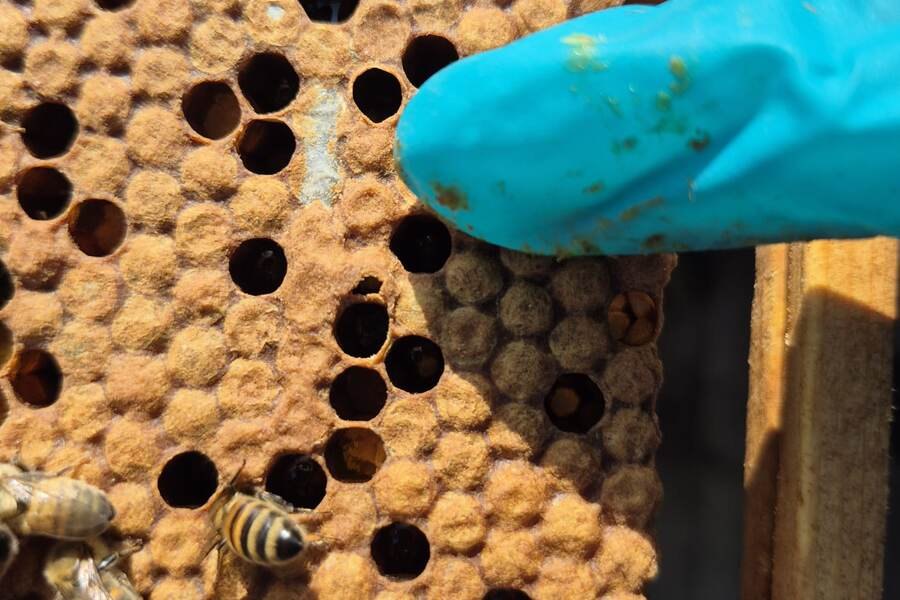
Understand what you are seeing inside a hive.
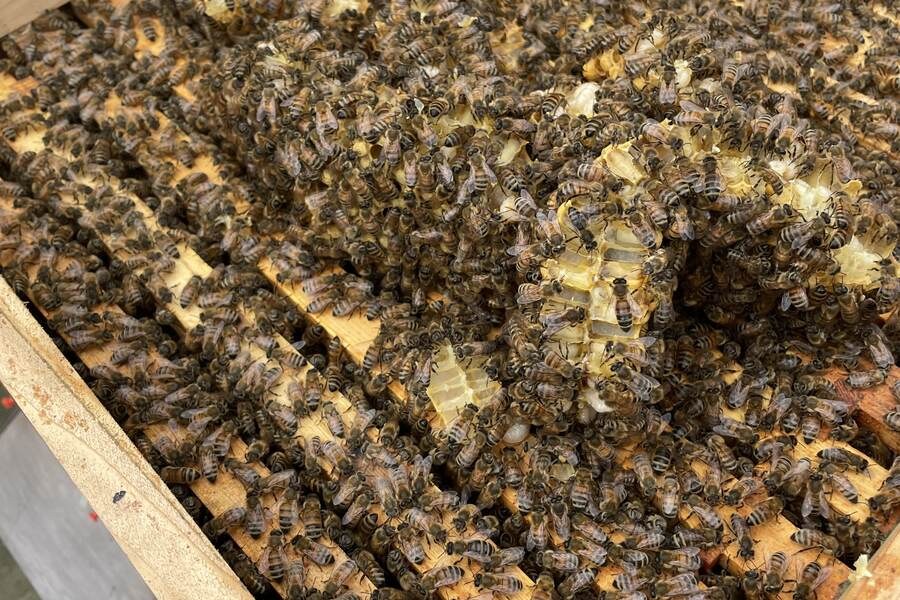
Use photographs, real examples and guided activities to develop the judgement needed to care responsibly for honey bee colonies.
Every Sunday lesson is recorded in Moodle, where you'll complete the weekly learning activities and knowledge checks.
Explore the 13-week syllabus →THE 13-WEEK PROGRAMME
What you'll learn, week by week.
Live sessions take place on Sundays at 6 PM UK time and last approximately 60–90 minutes. All live sessions are recorded and added to Moodle.
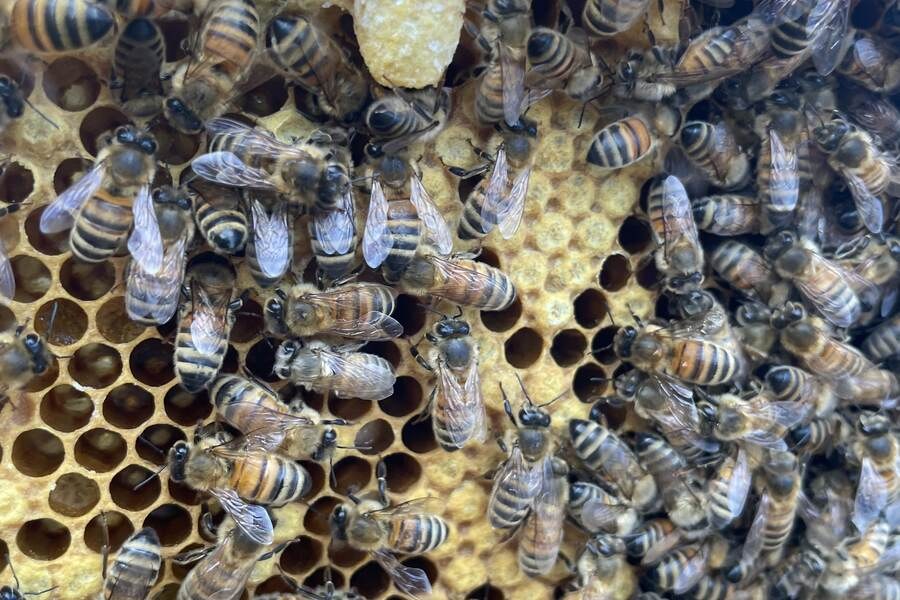
WEEK 1 03 Jan 2027
Meet the Honey Bee Colony
How do thousands of bees work together to keep their colony alive through winter?
By the end of this week you can:
- Identify queens, workers and drones and describe their different roles.
- Explain how a colony develops and what it needs to survive winter.
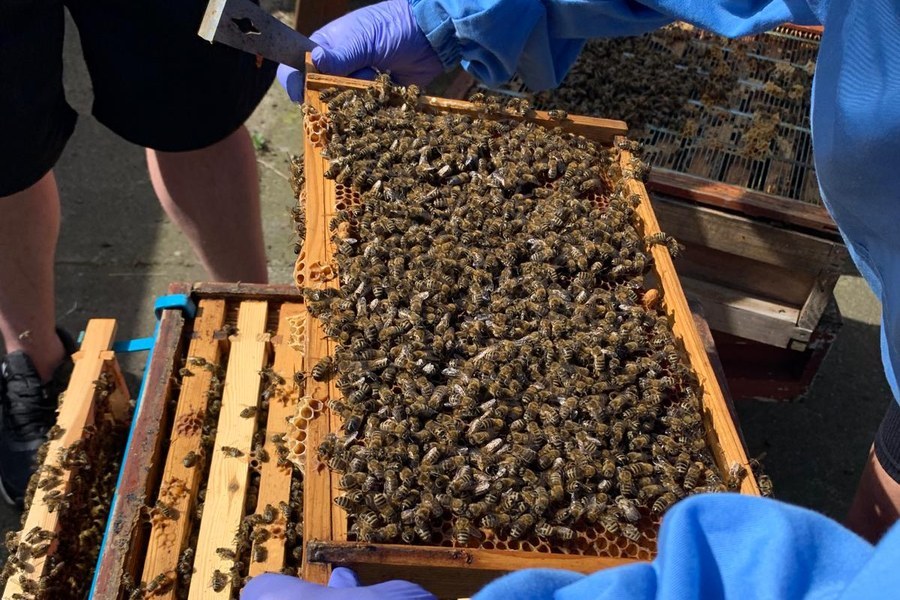
WEEK 2 10 Jan 2027
Your First Hive: Where Do You Begin?
Before buying bees, discover what you really need—and what responsible ownership involves.
By the end of this week you can:
- Identify the main hive components and explain why each is used.
- Compare apiary sites, essential equipment and the responsibilities of sourcing bees.
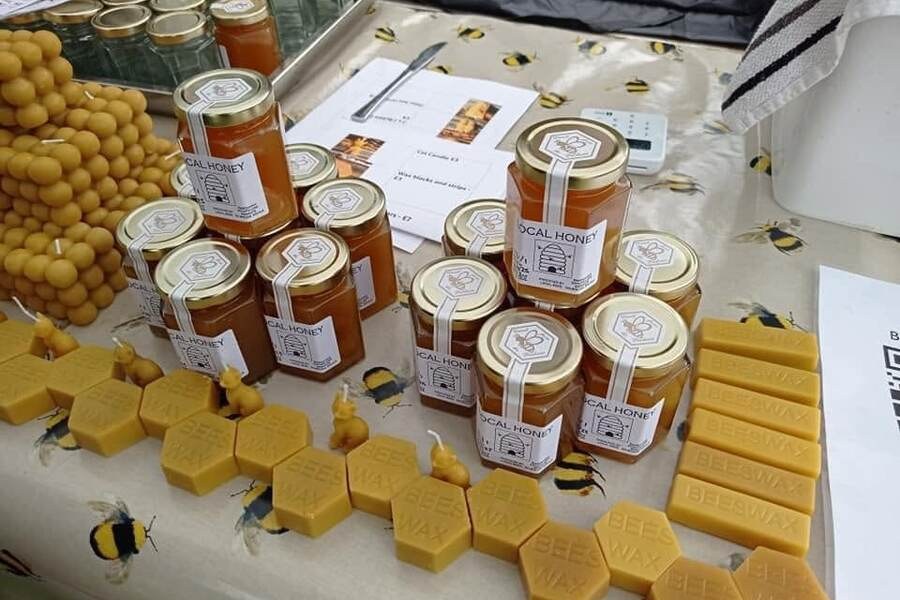
WEEK 3 17 Jan 2027
From Flower to Hive: Feeding the Colony
What do honey bees eat, why do they need pollen and when might they need your help?
By the end of this week you can:
- Explain the roles of nectar, pollen and water in colony health.
- Use a seasonal scenario to identify risks to food stores and possible feeding decisions.
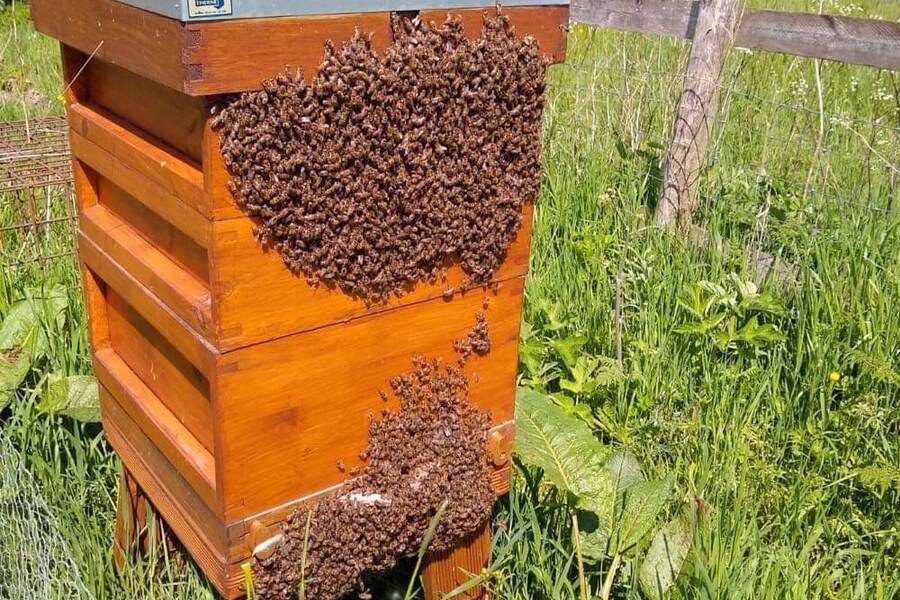
WEEK 4 24 Jan 2027
Swarming: When Half Your Bees Decide to Leave!
Why might a colony suddenly divide—and what clues tell you it could happen?
By the end of this week you can:
- Explain why colonies swarm and recognise important queen-cell stages.
- Compare possible swarm-management responses in a model colony.
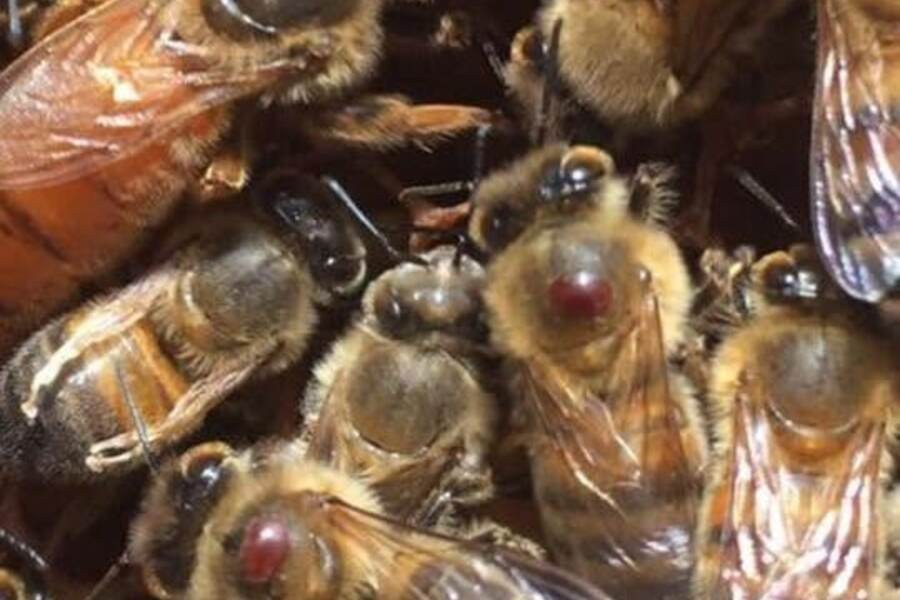
WEEK 5 31 Jan 2027
Varroa: A Tiny Mite with a Big Impact
Discover the parasite that changes how every responsible beekeeper manages their bees.
By the end of this week you can:
- Describe the Varroa life cycle and its connection to honey bee viruses.
- Interpret simple monitoring results and identify when more information is needed.
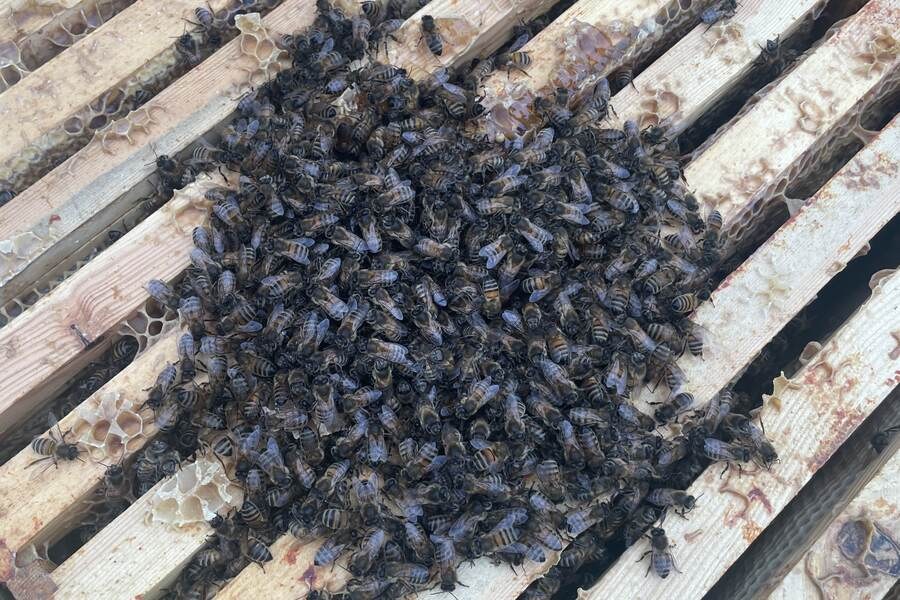
WEEK 6 07 Feb 2027
Protecting Colonies: Your Varroa Strategy
What would you do when monitoring suggests your colony is at risk?
By the end of this week you can:
- Compare integrated pest-management approaches and their limitations.
- Propose a seasonal monitoring and management plan for a hypothetical colony.
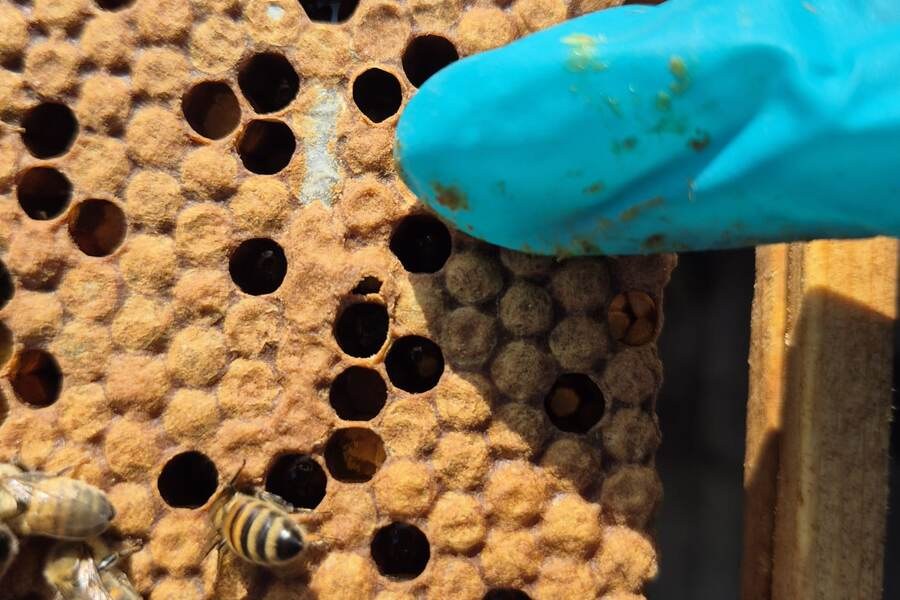
WEEK 7 14 Feb 2027
Bee Health Detective: Reading the Signs
Bees cannot tell us they are unwell—but they leave clues on the comb.
By the end of this week you can:
- Distinguish common healthy and concerning adult-bee and brood appearances.
- Describe safe next steps when signs are unclear or specialist help is needed.
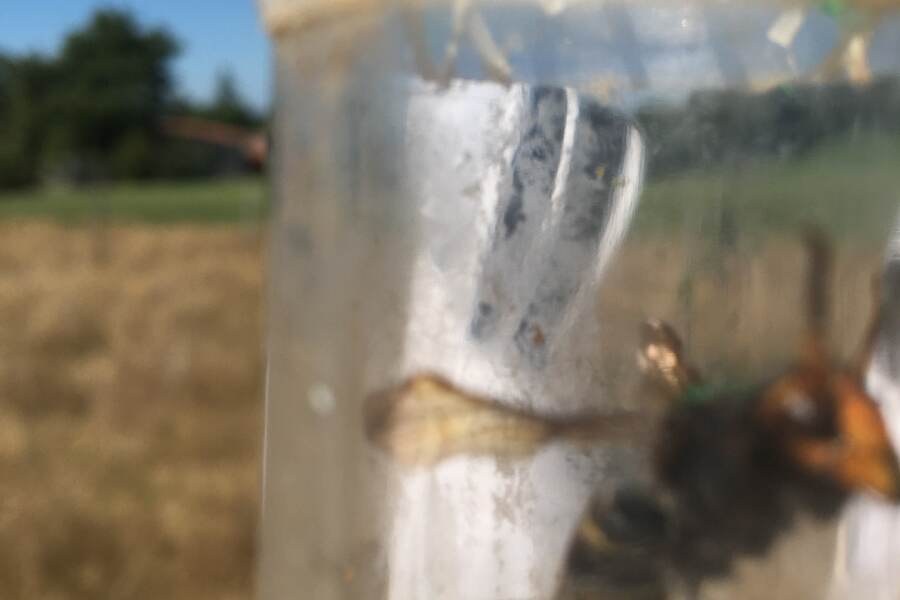
WEEK 8 21 Feb 2027
Unwanted Visitors: Pests and Invaders
From wax moths to invasive hornets, learn what to look for before problems spread.
By the end of this week you can:
- Recognise selected established and exotic threats to honey bee colonies.
- Explain prevention, monitoring and appropriate reporting routes.
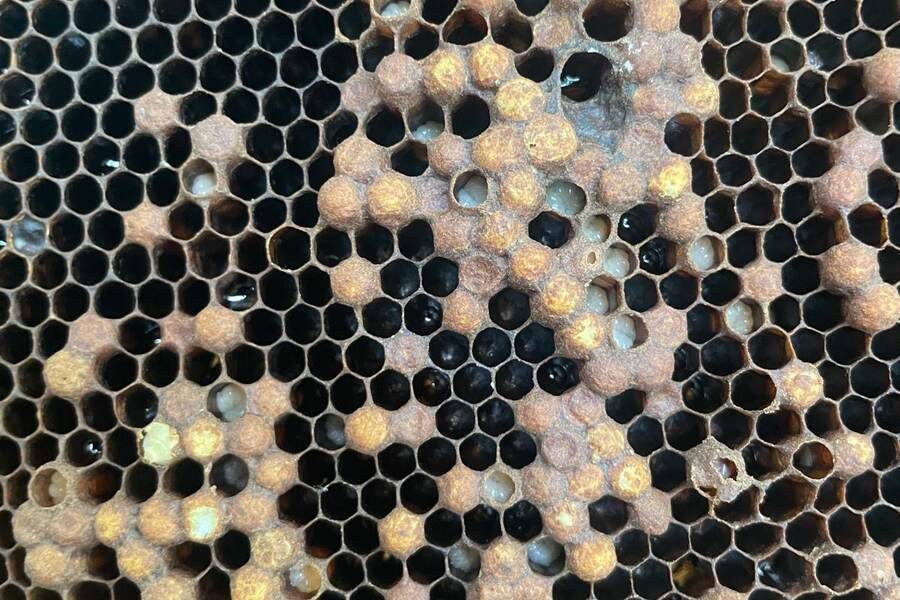
WEEK 9 28 Feb 2027
When Bee Health Becomes Serious
What should you do if you suspect a notifiable bee disease?
By the end of this week you can:
- Identify visual warning signs that justify concern about serious brood disease.
- Explain how to stop risky movements and report a suspected notifiable problem.
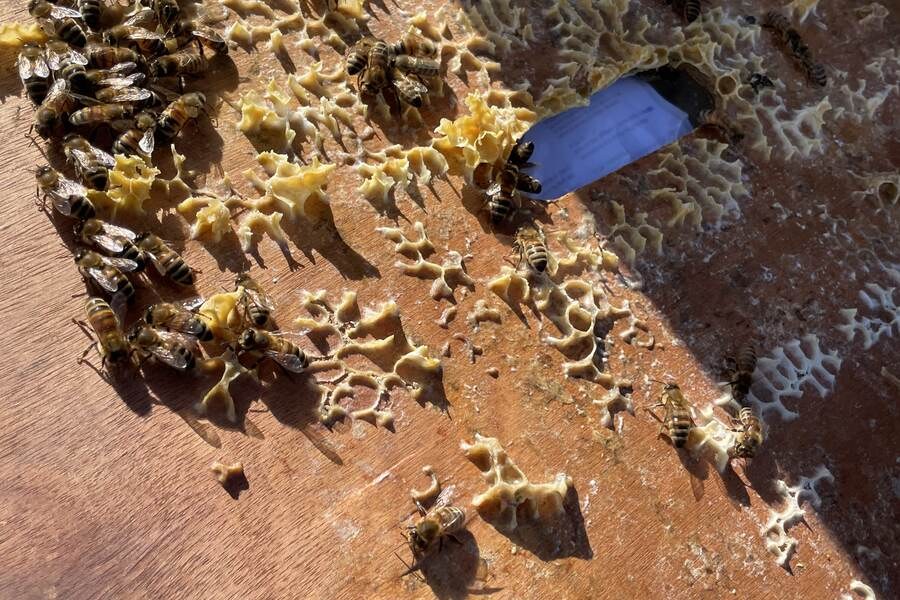
WEEK 10 07 Mar 2027
Behind the Scenes: Caring for Your Apiary
The less glamorous jobs—cleaning, repairs and hygiene—can be some of the most important.
By the end of this week you can:
- Explain how poor hygiene and equipment handling can spread disease.
- Create a safe biosecurity and equipment-maintenance checklist, including supervised heat treatment where suitable.
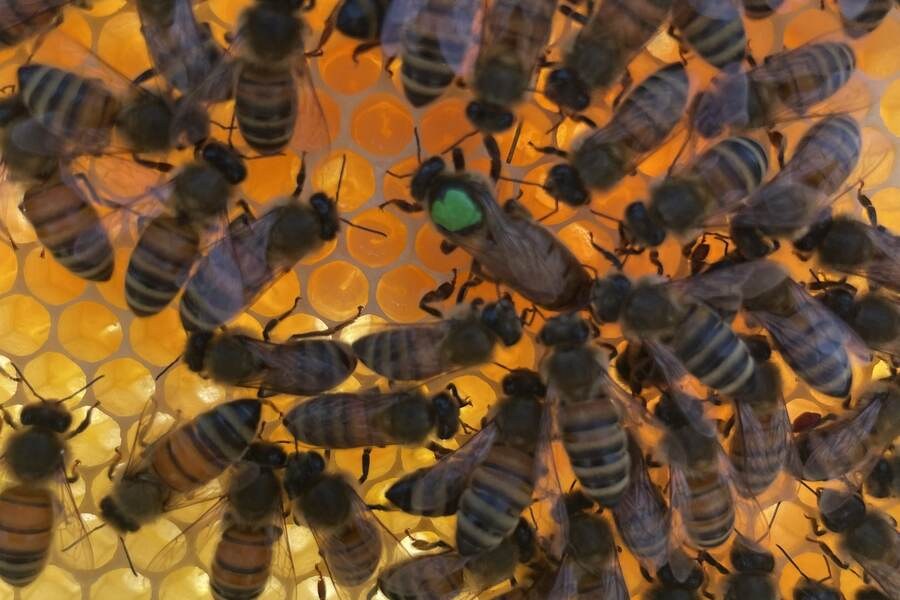
WEEK 11 14 Mar 2027
All About the Queen: The Future of the Colony
What happens when a colony loses its queen—and how can a new one take her place?
By the end of this week you can:
- Describe how a queen develops and the role she plays in colony continuity.
- Interpret hypothetical evidence of queen problems and identify sensible next checks.
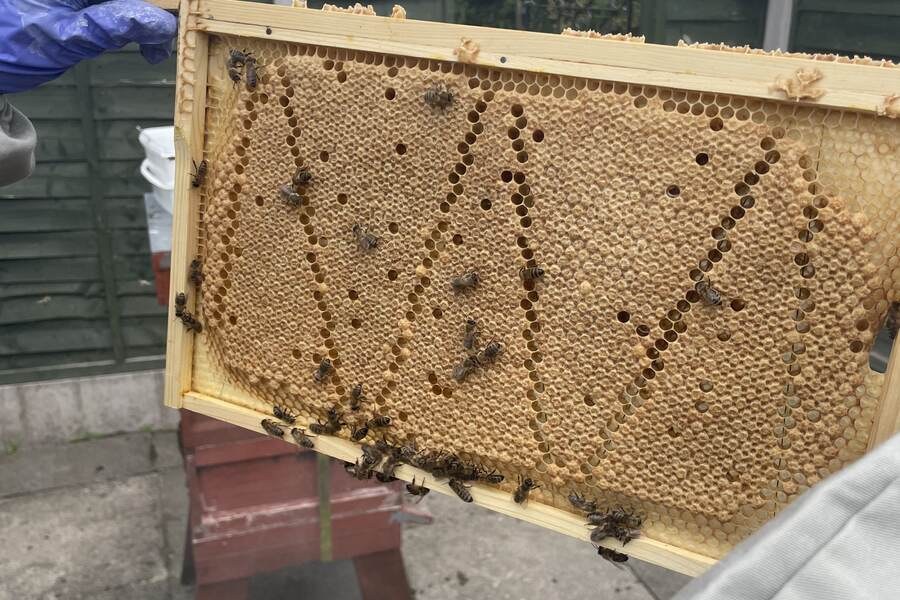
WEEK 12 21 Mar 2027
Inside the Hive: Your First Inspection
Imagine opening a hive. What would you look for—and what might the bees tell you?
By the end of this week you can:
- Outline how to plan a purposeful, safe inspection under supervision.
- Read photographs of brood, bees and stores and complete a simulated inspection record.
WEEK 13 28 Mar 2027
Spring Is Here: Are You Ready?
Bring the pieces together and plan what a colony needs as the season begins.
By the end of this week you can:
- Identify key spring risks involving stores, colony strength, queen status and pests.
- Draft a reasoned spring-management plan for a model colony and explain when to seek help.
THE COMPLETE 13-WEEK THEORY COURSE
£85Live or recorded Sunday lessons, weekly Moodle activities and a downloadable theory certificate after successful completion. Enrolment closes 31 December 2026.
Session topics may be refined to reflect current UK bee health guidance. Each week includes a practical learning activity or knowledge check, completed online.
COURSE COMPLETION
Finish with knowledge you can apply.
Successfully complete all 13 weekly learning activities and required Moodle knowledge checks by 31 March 2027 to receive a downloadable BeeEducated Certificate of Completion in Beekeeping Theory.
This is a certificate of completed theory learning — it does not certify that you are competent to handle or independently manage live colonies.
Issued upon verified successful completion of the online learning requirements.
OPTIONAL NEXT STAGE
Interested in supervised practical training?
Successful theory learners can apply for a limited number of places at our Manchester and Cheshire training apiaries.
Practical training · £300
Applications include a personal statement of up to 500 words. Selection is based on programme suitability and capacity; completing theory does not guarantee a place.
Practical learning includes supervised colony husbandry, biosecurity, equipment care and seasonal responsibilities, with appropriate PPE and safety procedures.
BeeEducated Award in Practical Beekeeping
To achieve the Award, selected learners must successfully complete the practical programme and submit a portfolio assessed against our internal criteria. There is no award based on attendance alone, and honey production is not guaranteed.
See our Manchester and Cheshire practical training pathway →
FREQUENTLY ASKED QUESTIONS
What to know before enrolling.
Do I need to attend every Sunday?
No. Live attendance is optional. Sessions are recorded and added to Moodle. You still need to complete the required weekly activities and knowledge checks successfully.
When does the theory course start and finish?
The first live session is Sunday 3 January 2027 at 6 PM UK time. The 13th and final session is Sunday 28 March 2027. Required activities and knowledge checks must be completed by 31 March 2027.
Can I take theory without doing the practical course?
Yes. The £85 online theory course is open nationally and stands alone. The practical programme is a separate application and selection process.
Will the theory certificate make me a qualified beekeeper?
No. It confirms successful completion of the theory learning. The separate BeeEducated Award in Practical Beekeeping requires supervised practical training and a successfully assessed portfolio.
Can I buy bees after the online course?
We recommend developing substantial supervised colony-management experience before taking sole responsibility for your own bees. Completing online theory is not a substitute for working safely with live colonies.
What about cancellation and refunds?
Enrolment terms, statutory cancellation rights and any applicable early-access arrangements will be presented clearly before you pay through the enrolment system.
READY TO GET STARTED?
Request enrolment details
The secure Moodle payment link is being finalised. Leave your details and we can explain the next steps. This is an enquiry, not a booking or payment.
How your enquiry information is used
We use details submitted in the enquiry form to respond about BeeEducated's 2027 programme and store them in the private enquiry register for up to 24 months. This form does not subscribe you to unrelated marketing. Please see our website privacy policy for your rights and contact details.