Overview
A concise introduction to the BeeEducated Practical Beekeeper Standard, who it is for and how the programme works.
Document being updatedThe Standard is organised around competencies. Each competency is supported by Knowledge, Skills and Behaviours, range requirements and evidence expectations.
See all BeeEducated Beekeeping Standards, including those in development →
Select a competency to see its current Knowledge and Skills requirements and evidence expectations.
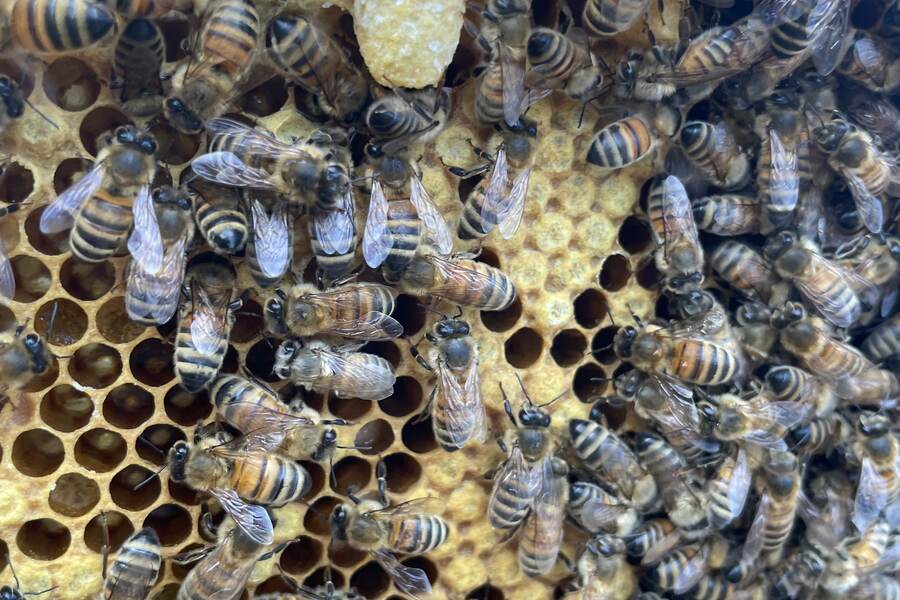
Perform proportionate colony inspections, maintain accurate records, assess colony condition and health, analyse findings and colony history, and determine appropriate follow-up management, manipulation, monitoring or non-intervention.
View C1 →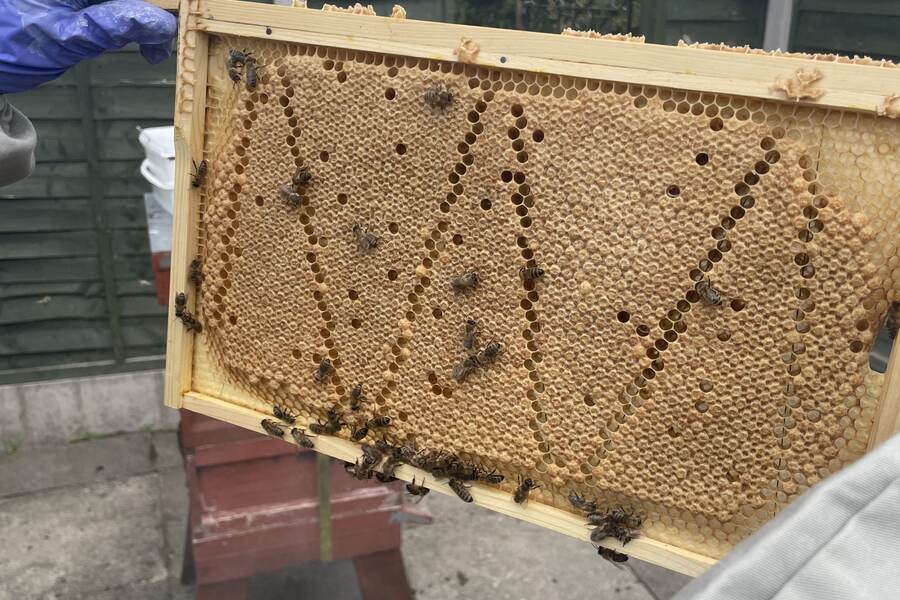
Apply effective and proportionate biosecurity practices at hive and apiary level throughout routine and higher-risk beekeeping activities to minimise avoidable transmission of pests and disease.
View C2 →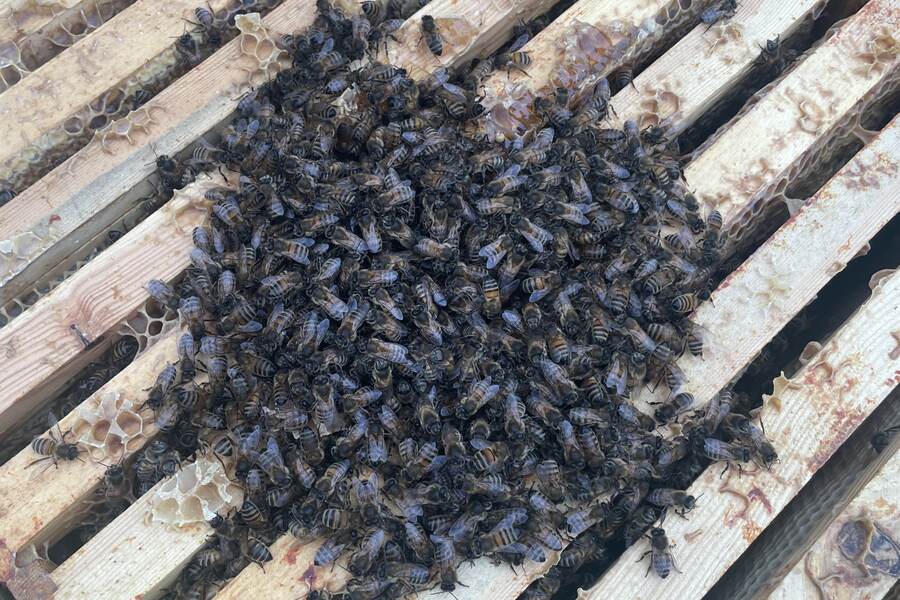
Manage colonies throughout their seasonal cycle, adapting space, resources, interventions and management objectives to colony condition and environmental circumstances.
View C3 →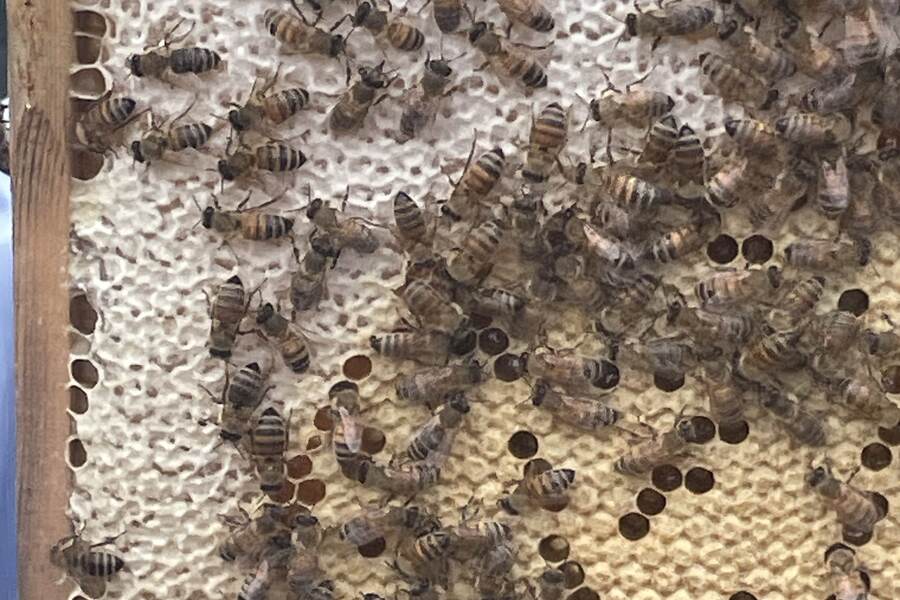
Assess colony nutritional status and stores and make appropriate decisions concerning feeding and forage-related management while avoiding unnecessary or harmful intervention.
View C4 →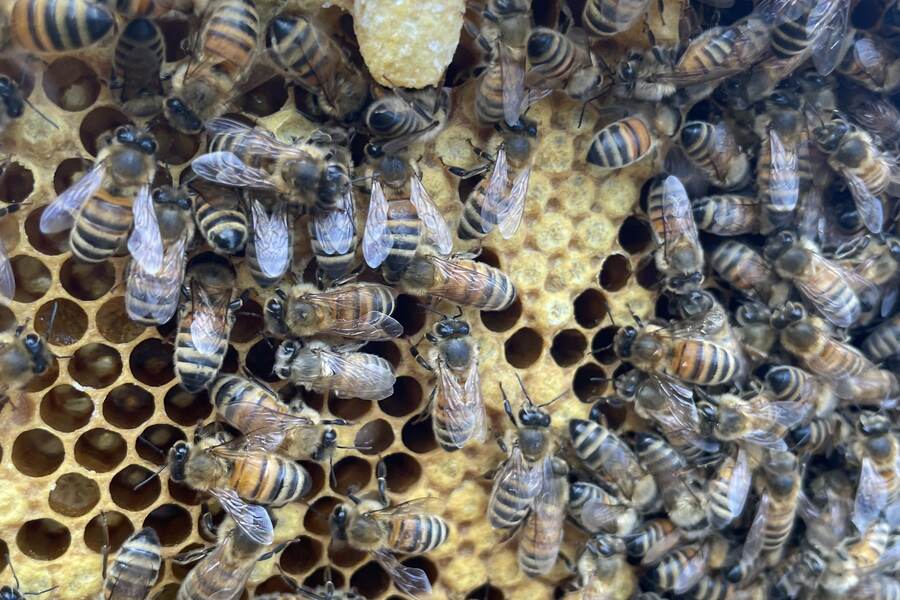
Recognise swarm preparation and apply appropriate swarm prevention and control techniques according to colony condition and management objectives, including honey production and controlled increase.
View C5 →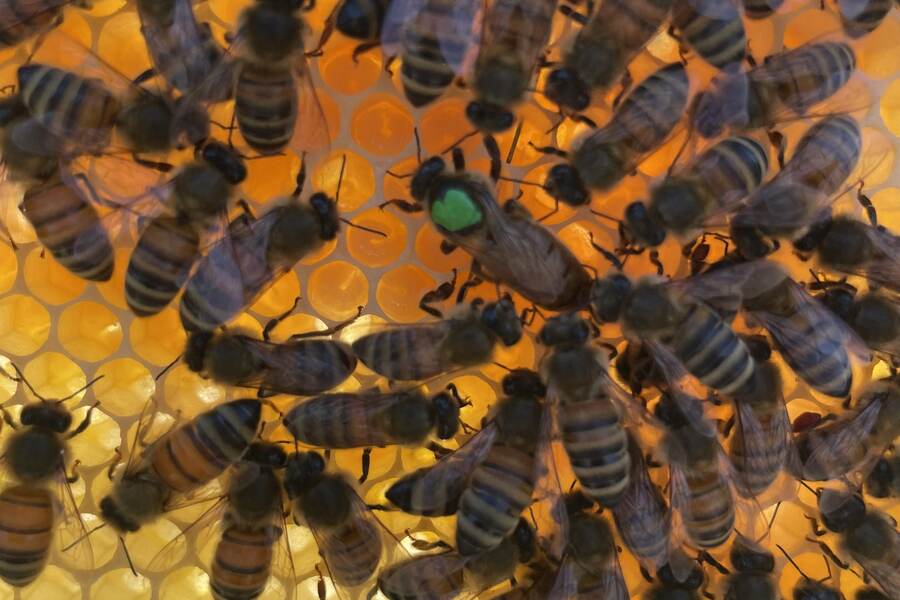
Assess queen status and reproductive performance and respond appropriately to queenlessness, poor performance, unsuccessful mating, drone laying, laying workers and other queen-related colony problems.
View C6 →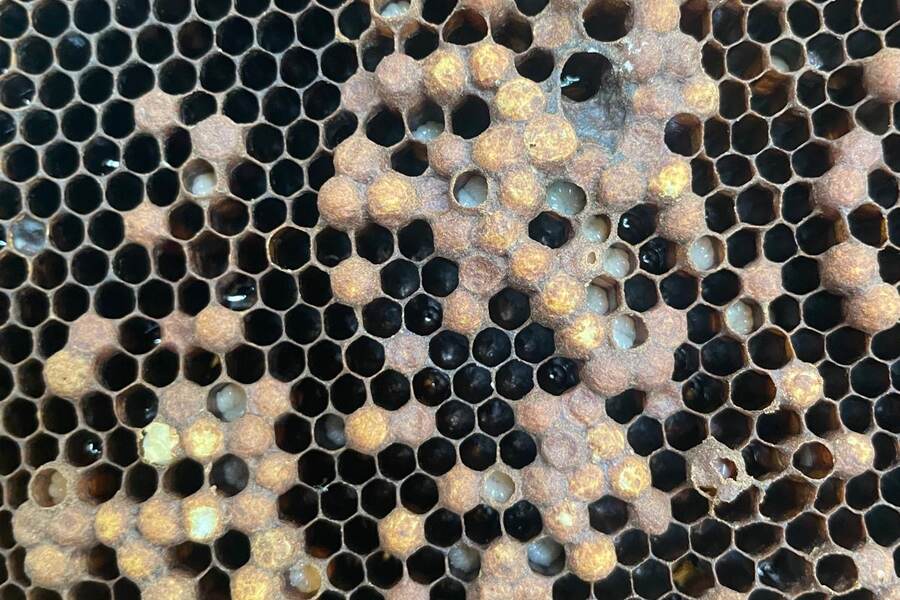
Assess colonies for useful and undesirable characteristics, identify suitable breeding candidates, perform appropriate queen-rearing techniques, produce spare mated queens and introduce queens successfully.
View C7 →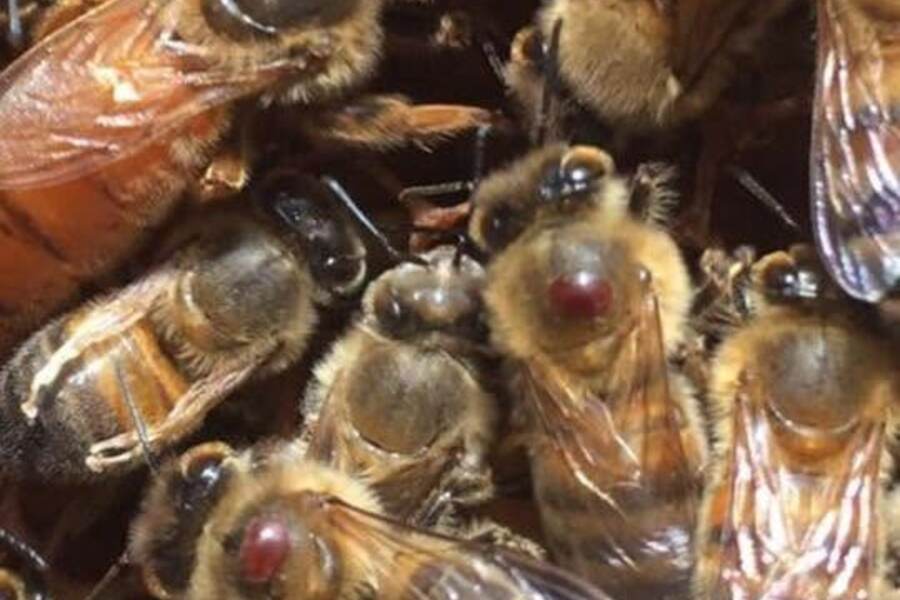
Monitor, interpret and manage parasitic mite infestation using appropriate monitoring methods, interventions, authorised treatments where applicable and integrated pest management principles.
View C8 →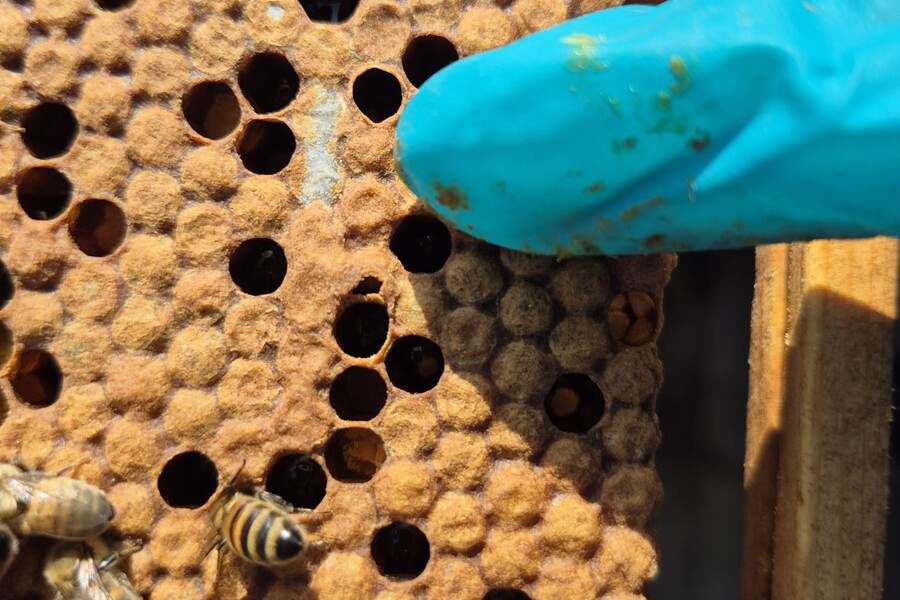
Assess adult bees and brood for signs of disease, disorder or abnormal development; interpret potential causes; investigate appropriately; take measures to control and prevent spread; and obtain specialist, laboratory or statutory assistance where required.
View C9 →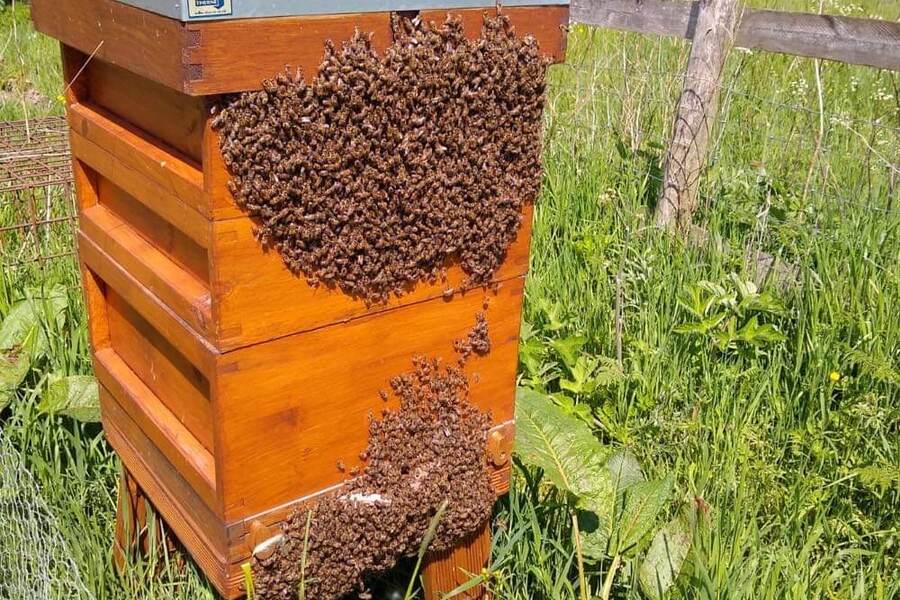
Establish viable colonies and nucs, make controlled increase, unite colonies appropriately and move colonies or bees while managing biological, practical and biosecurity risks.
View C10 →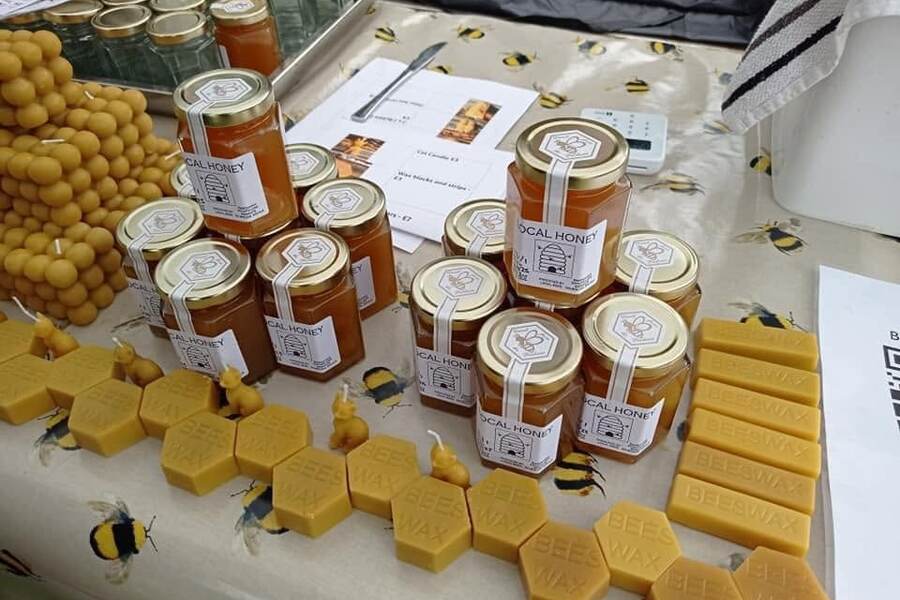
Manage colonies for responsible honey production, assess when honey is suitable for harvest and carry out hygienic harvesting, extraction, settling or processing, storage, jarring and compliant labelling and selling.
View C11 →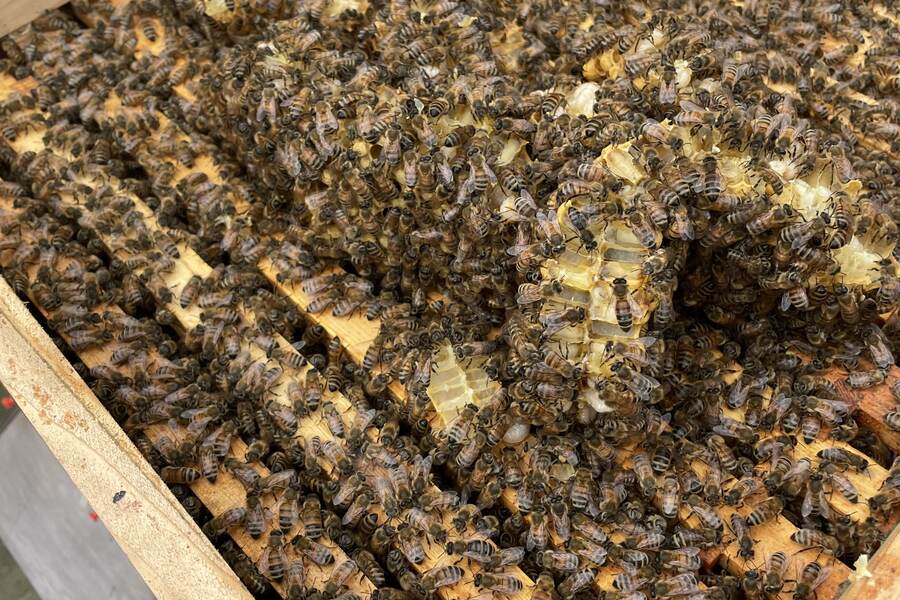
Select, use, inspect, maintain, clean, store and replace hive equipment and comb appropriately, including planned comb replacement and manipulation in response to colony health, disease risk, brood-nest condition and management objectives.
View C12 →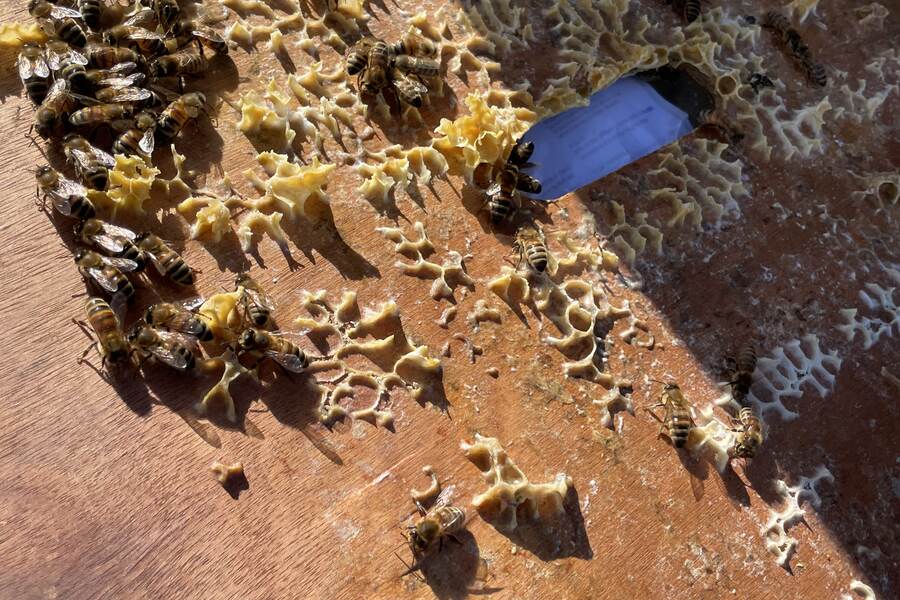
Establish and operate within an apiary in a manner that supports effective colony management while protecting the beekeeper, other people, animals and the surrounding environment.
View C13 →
Monitor for invasive species, exotic pests, parasites and statutory bee-health threats, recognise suspicious findings and comply with relevant reporting, inspection, monitoring and control arrangements.
View C14 →
Evaluate management outcomes, learn from experience, identify limits of competence and continually adapt practice in response to evidence, colony circumstances and developing knowledge.
View C15 →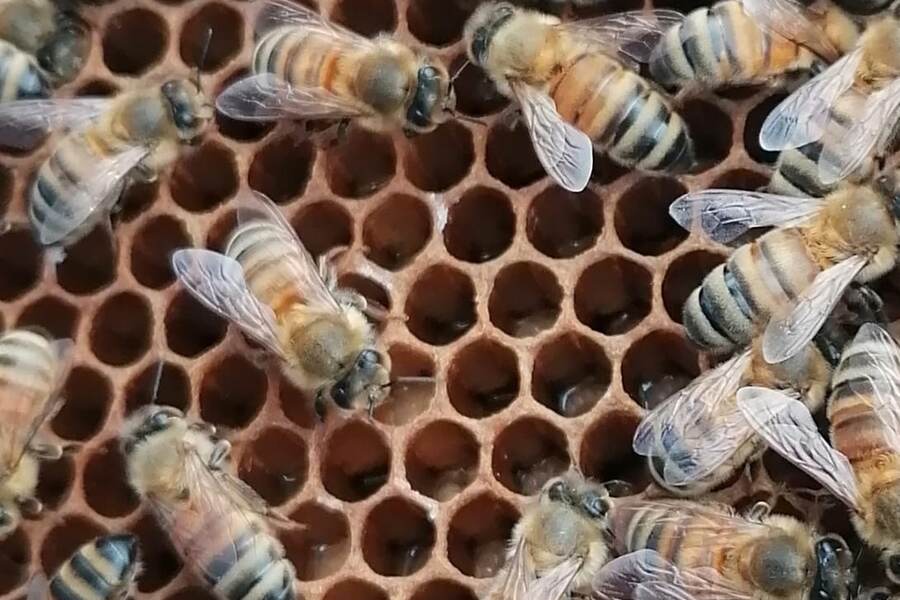
Maintain accurate, current and traceable records relating to government bee-health registration, apiaries, colony numbers, feeding, treatments, acquisition, movement and sale of bees, and statutory bee-health activity, in accordance with current legal requirements and recognised best practice.
View C16 →Overview, The Standard and How this is assessed are the only public Standard documents in this section and can be replaced from WordPress admin whenever a newer version is ready.
A concise introduction to the BeeEducated Practical Beekeeper Standard, who it is for and how the programme works.
Document being updatedThe competencies and Knowledge, Skills and Behaviours, including the required range and evidence expectations.
Document being updatedHow authentic evidence, VARCS, assessor judgement, quality assurance, the gateway and End Point Assessment work.
Document being updatedPRACTICAL BEEKEEPER STANDARD
A quick check, then the most useful next step.
PRIVACY & COOKIES
Choose which optional categories you allow. Essential cookies are always active because the website cannot function correctly without them.
Security, basic site operation and remembering your privacy choice.