
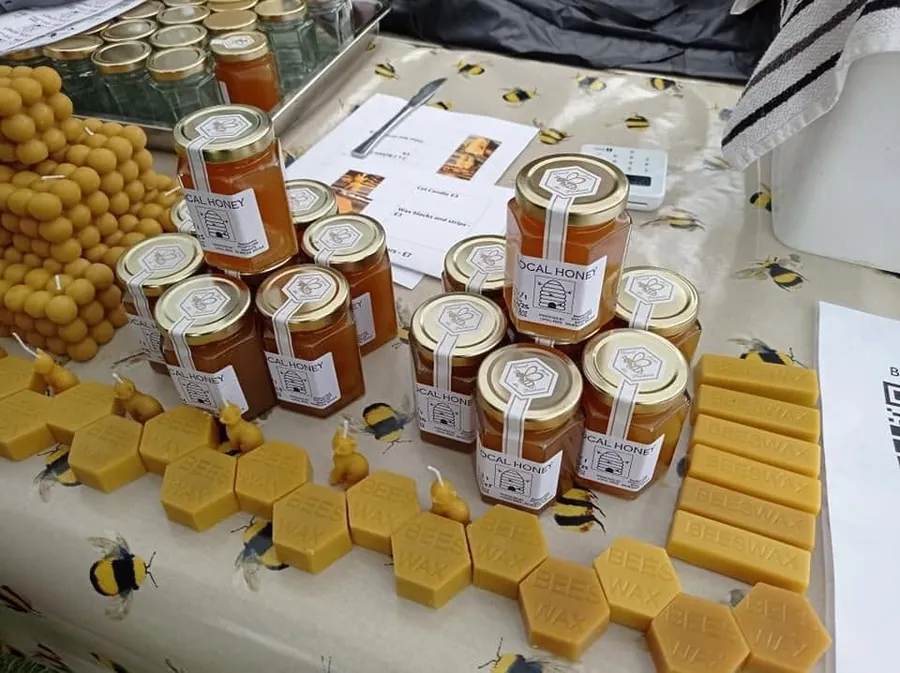
A harvest can demonstrate crop assessment, hygienic handling, practical processing, equipment use and current selling requirements.
Potential is important: completing an activity does not automatically prove every linked KSB. The assessor credits only what the submitted evidence genuinely demonstrates.
What good evidence might look like
The strongest evidence usually shows a sequence: observe → interpret → decide → act → record → review. Depending on the activity, useful evidence could include:
- readiness and ripeness checks
- hygienic removal and transport
- extraction and settling process
- moisture check where used
- storage and jarring
- label review where honey is sold
Before you start
The learner and mentor should agree the purpose of the activity, what the learner is expected to do independently, which competency areas may naturally arise and what evidence is practical to capture without compromising safe bee handling.
During the activity
Evidence should capture real practice. The mentor can ask developmental questions such as: What are you seeing? What does that tell you? What do you think we should do, and why? The mentor should support the learner rather than supply the answers or perform the task on their behalf.
After the activity
The learner should record what happened, reflect on what they learned, identify what they would do differently and plan any follow-up evidence. The mentor can add a short comment about independence, prompting and areas to practise next.
Common gaps to avoid
- showing extraction only
- no readiness assessment
- poor hygiene evidence
- using old legal wording without checking current requirements