
Choose a real beekeeping activity to see the competency areas it may support and what useful evidence can look like.
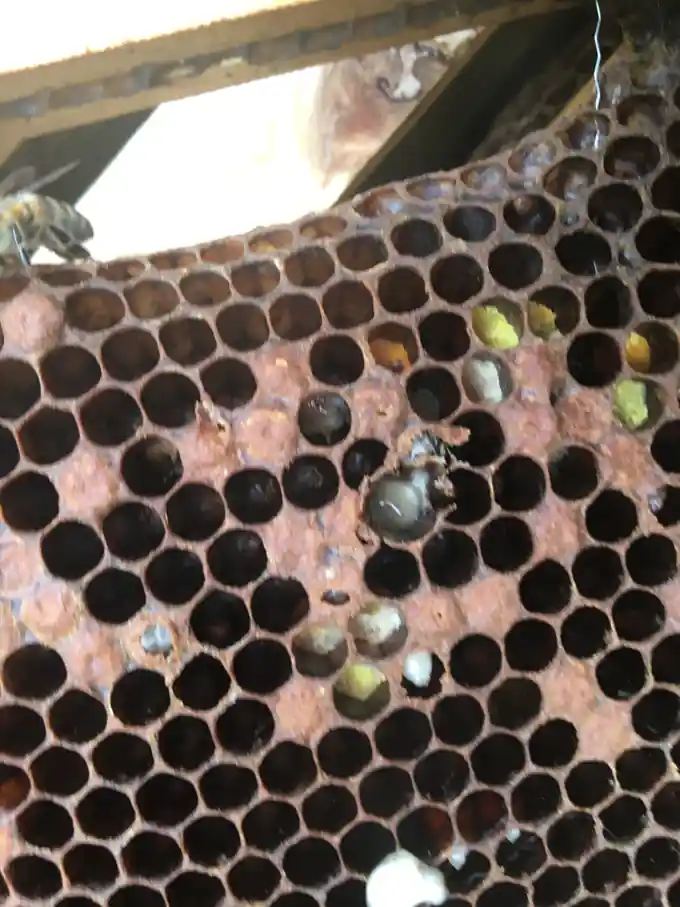
Full colony health inspection
A normal colony inspection can provide rich, naturally occurring evidence when the learner records what they saw, how they interpreted it and what happened next.
See potential evidence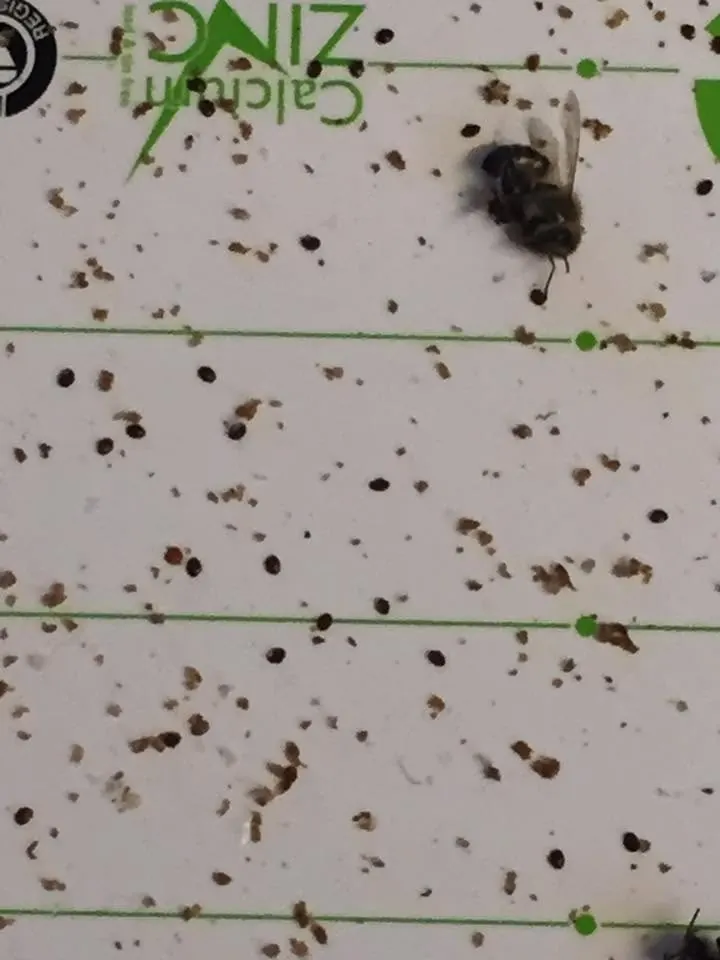
Varroa monitoring or treatment
Strong evidence shows the monitoring result, the learner’s interpretation, the reason for action or non-action and appropriate follow-up.
See potential evidence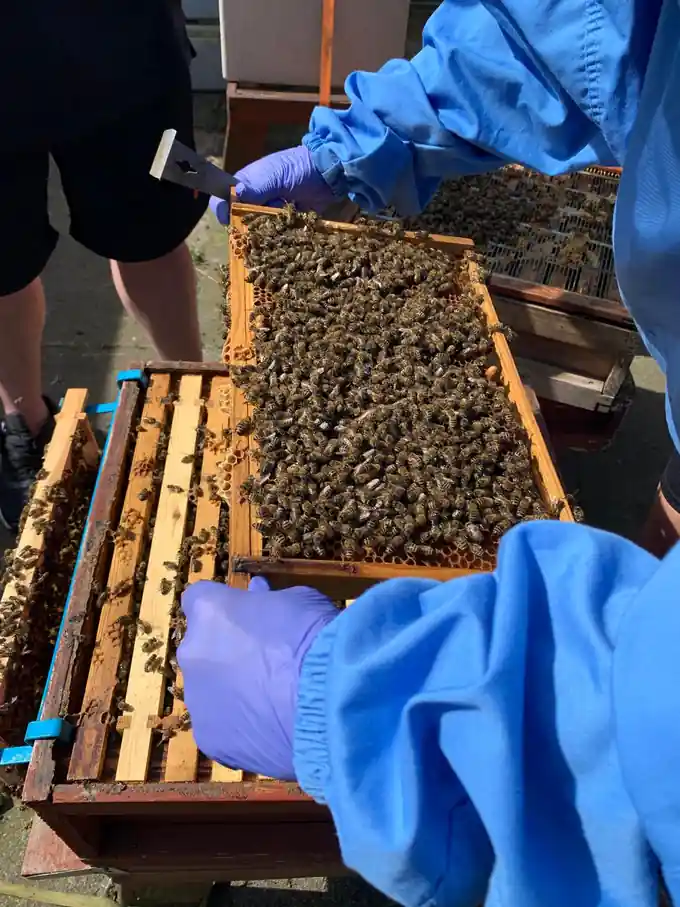
Shook swarm
A shook swarm can demonstrate planning, practical manipulation, biosecurity, comb management, welfare and reflective practice when it is genuinely justified.
See potential evidence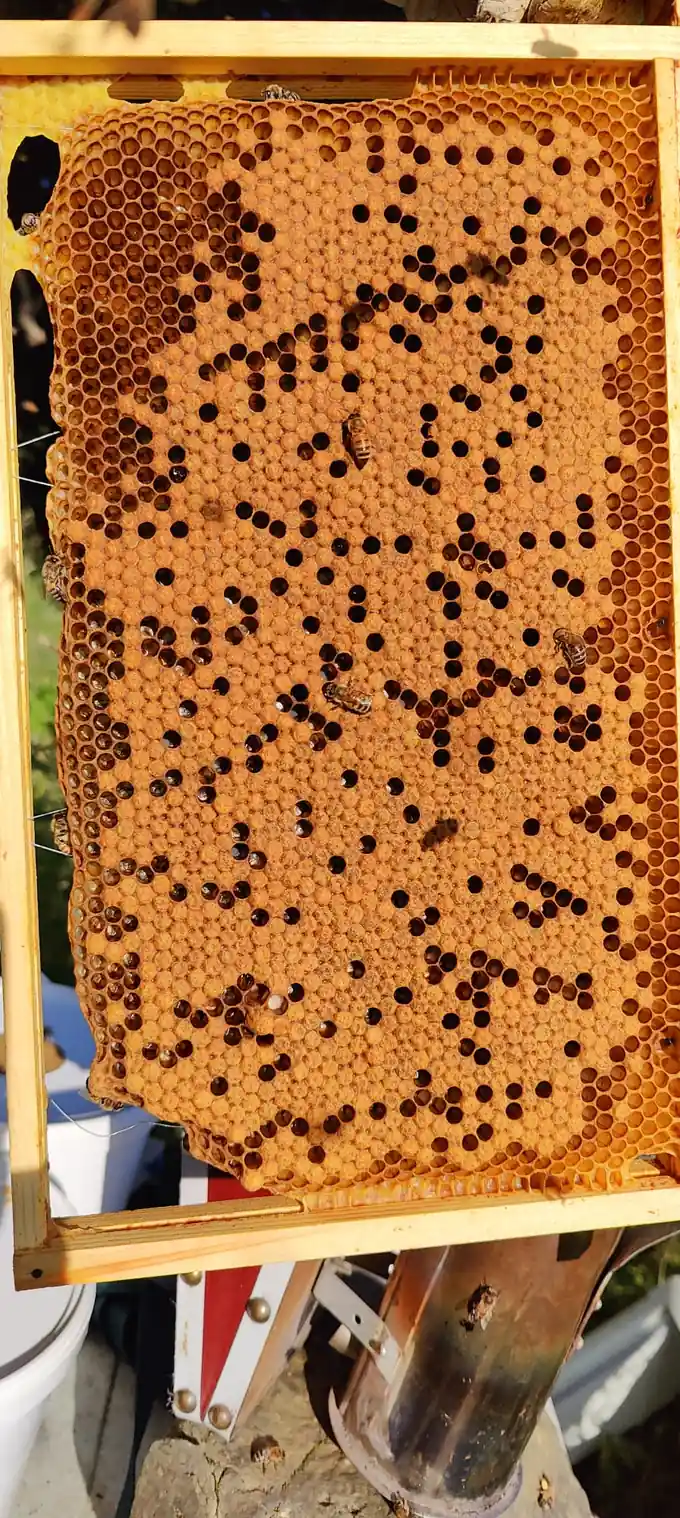
Bailey comb change
Evidence should show why comb renewal is appropriate, how the change is planned and how the colony is monitored through the transition.
See potential evidence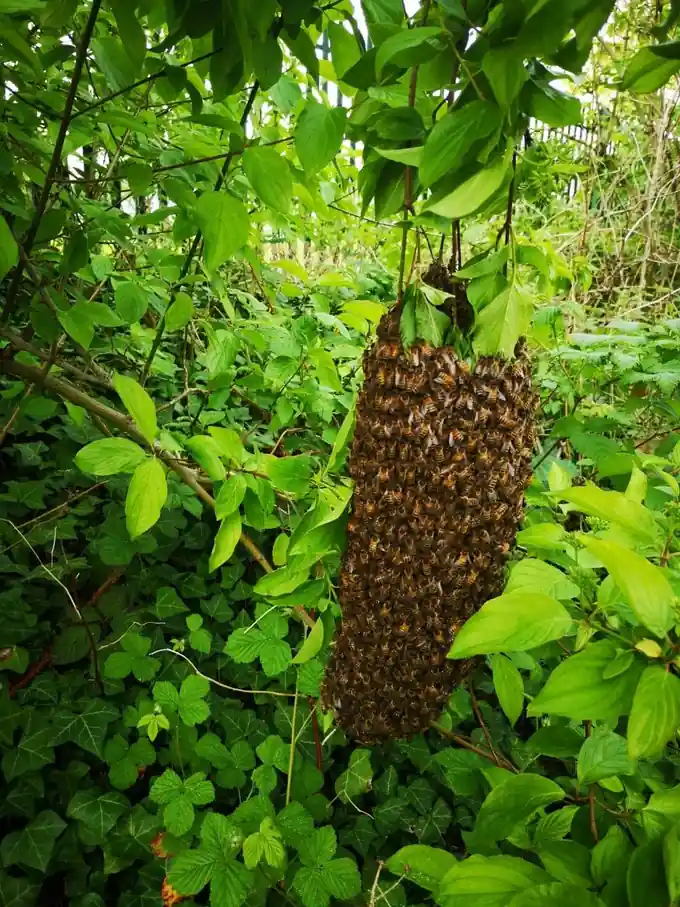
Swarm control
Swarm-control evidence is strongest when it captures early indicators, the learner’s chosen strategy, practical execution and later outcome.
See potential evidence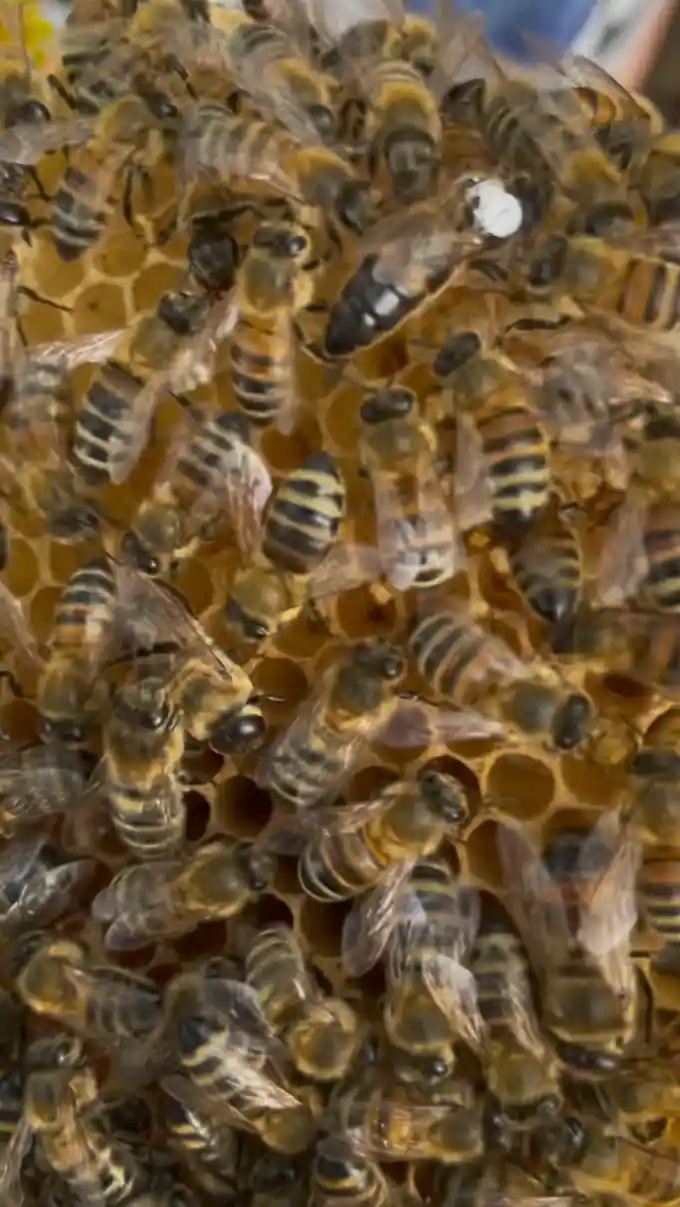
Queen introduction
The learner should demonstrate why requeening is appropriate, prepare the receiving colony, choose a suitable introduction method and confirm the outcome.
See potential evidence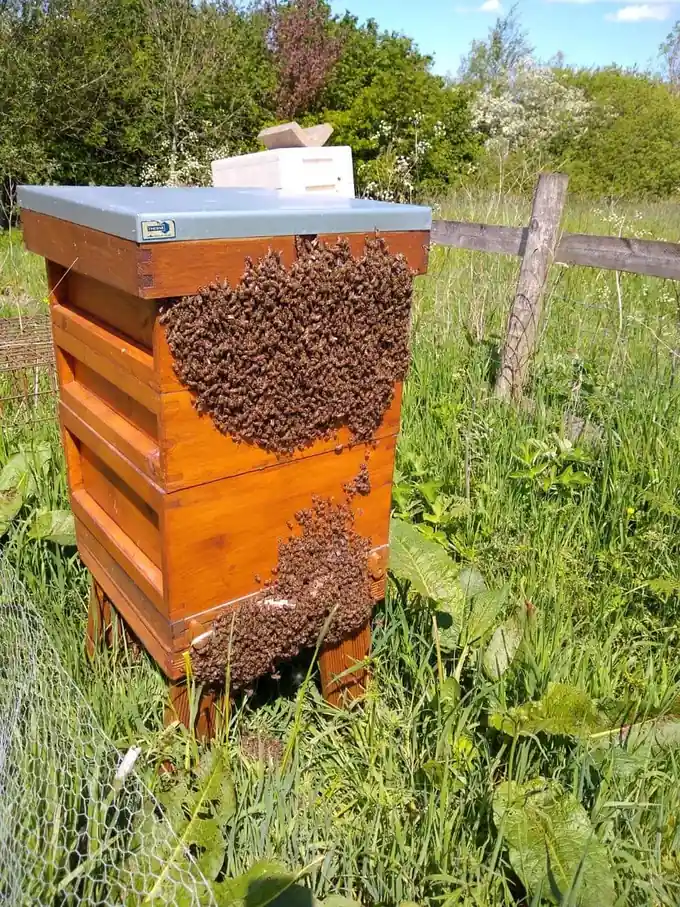
Making a nuc / split
A viable increase requires more than moving frames: the learner should show colony selection, resource balance, queen plan and follow-up.
See potential evidence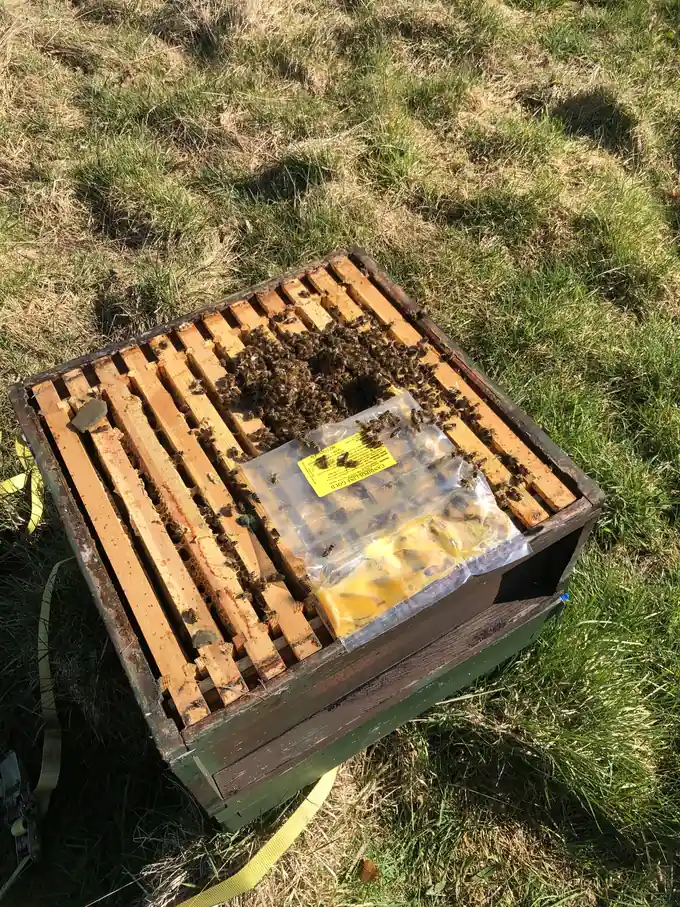
Feeding / stores assessment
Good evidence begins with assessment of need, not simply showing that feed was given.
See potential evidence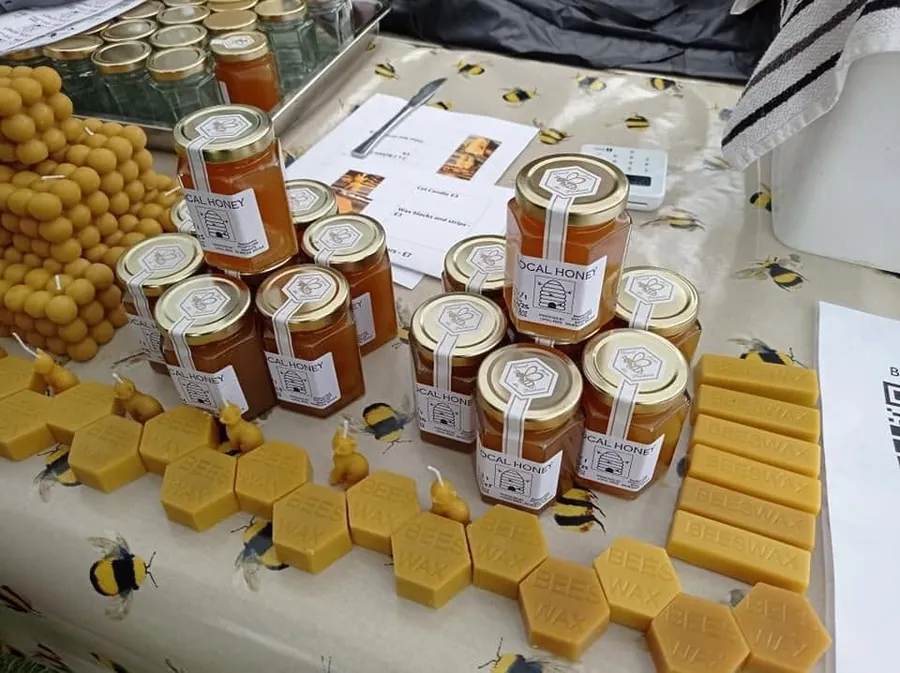
Honey harvest
A harvest can demonstrate crop assessment, hygienic handling, practical processing, equipment use and current selling requirements.
See potential evidence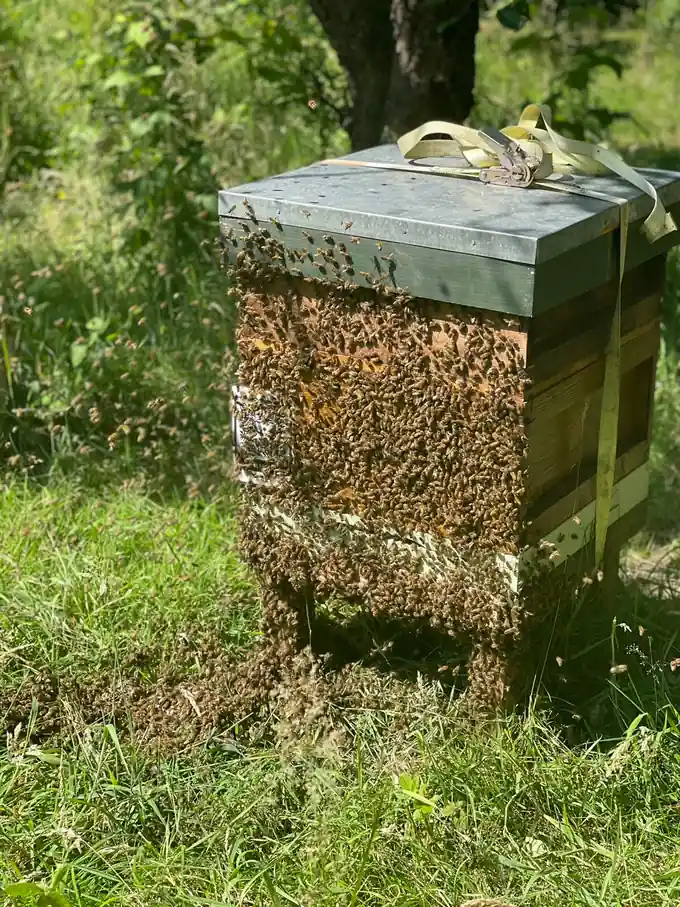
Autumn & winter preparation
Winter preparation should be based on the actual colony, local conditions and risks rather than a fixed checklist alone.
See potential evidence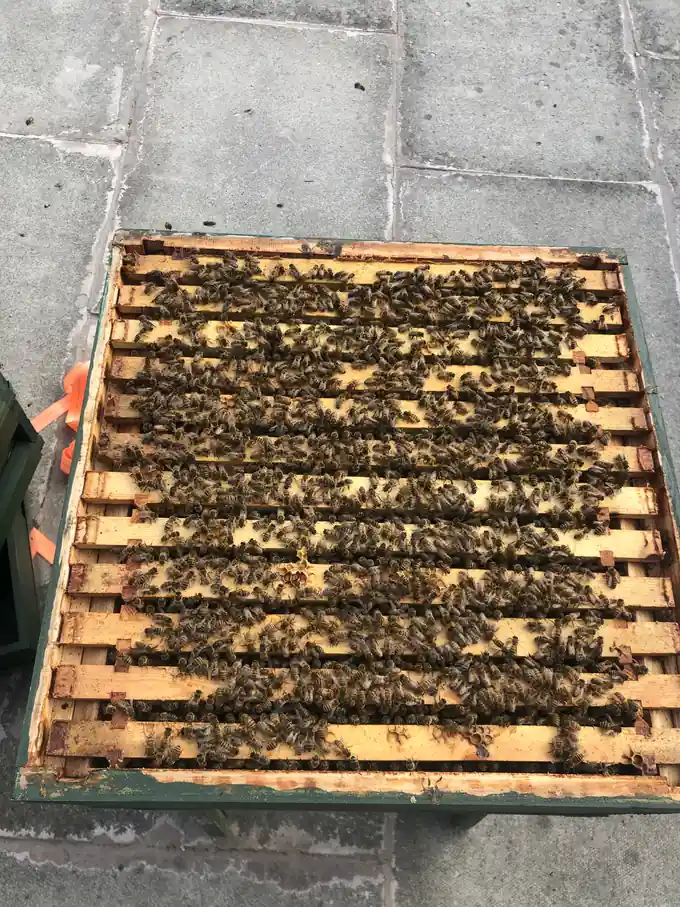
Moving a colony
A colony move can evidence planning, securing and ventilating the colony, safe handling, siting and biosecurity.
See potential evidence