
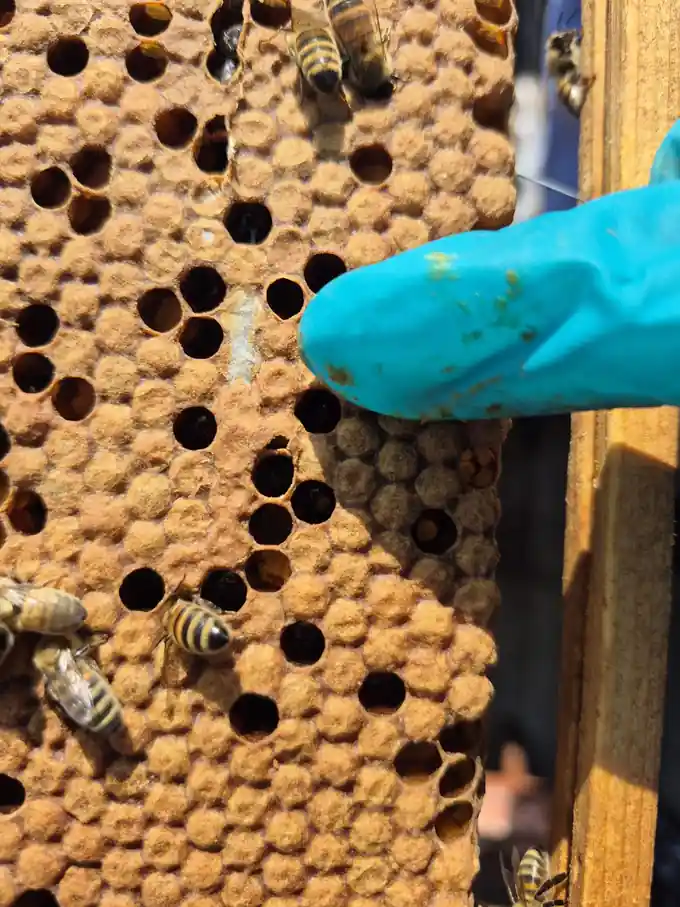
The portfolio is a record of demonstrated competence, not a scrapbook. Evidence is collected because it helps an assessor make a valid decision against the Standard.
VARCS evidence
BeeEducated considers whether evidence is Valid, Authentic, Reliable, Current and Sufficient. Strong evidence normally establishes the colony context, shows what the beekeeper did, explains the reasoning and includes follow-up where the outcome matters.
Evidence from the current enrolment
Assessed Practical Beekeeper evidence is generated during the current enrolment. Previous experience can inform development, but it is not simply imported as Recognition of Prior Learning for the mandatory practical KSB evidence.
Video evidence
The beekeeper should be identifiable at some point, state their name and date, and retain enough continuity for the assessor to understand what happened. Multiple short clips are acceptable. Trimming and technical compression are acceptable; evidential alteration or AI manipulation is not.
Photographic evidence
Photographs can support a submission where they establish context or show detail that a video does not. A set can include close-ups without the beekeeper’s face if at least one image establishes the beekeeper and activity as the same evidence event.
Activity logs
Activity records are intended to be contemporaneous. BeeEducated’s design uses a 48-hour window for routine beekeeper and witness logs. Late entries can remain in the record but are considered accordingly when authenticity and reliability are assessed.
Third-party evidence
Another person can hold a camera or capture evidence. A witness can confirm what they observed. A mentor can support development. None of those roles automatically becomes the assessor; the formal assessment decision remains with an authorised BeeEducated Assessor.
Evidence by real activity
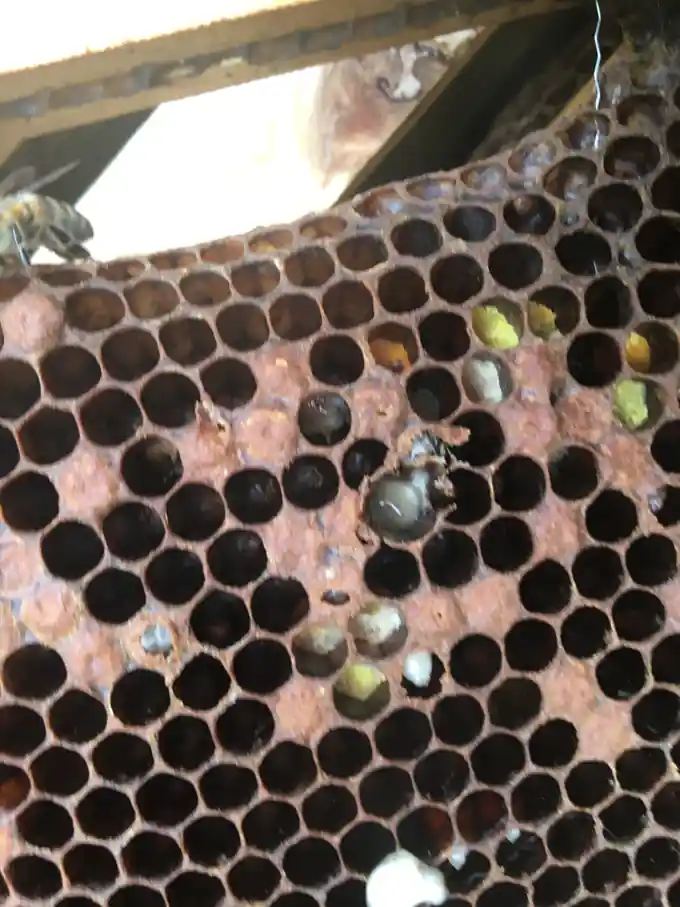
Full colony health inspection
A normal colony inspection can provide rich, naturally occurring evidence when the learner records what they saw, how they interpreted it and what happened next.
See potential evidence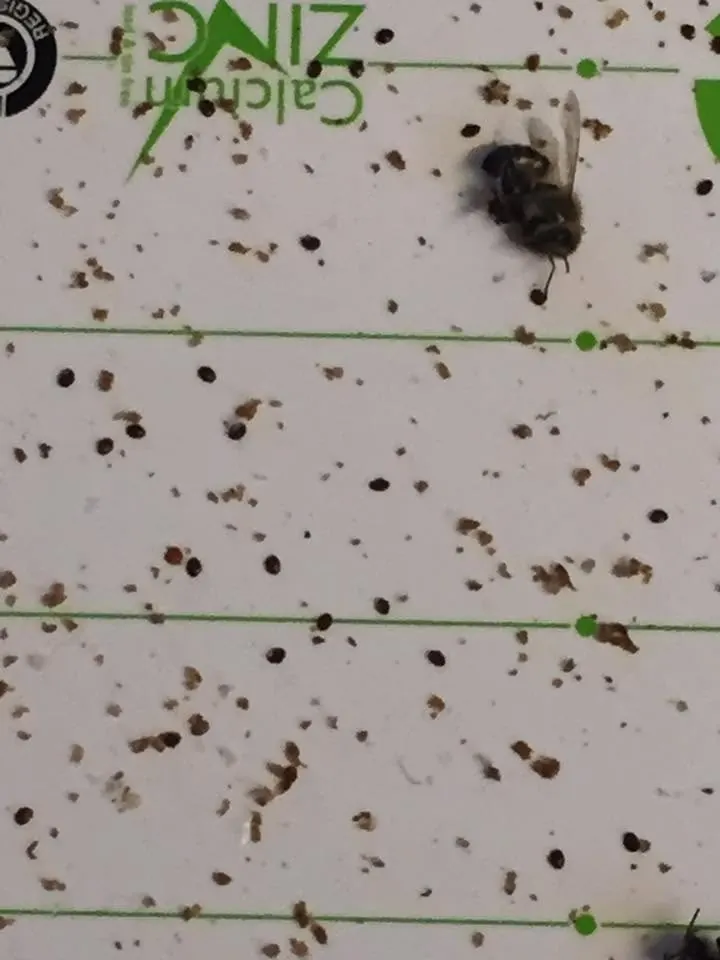
Varroa monitoring or treatment
Strong evidence shows the monitoring result, the learner’s interpretation, the reason for action or non-action and appropriate follow-up.
See potential evidence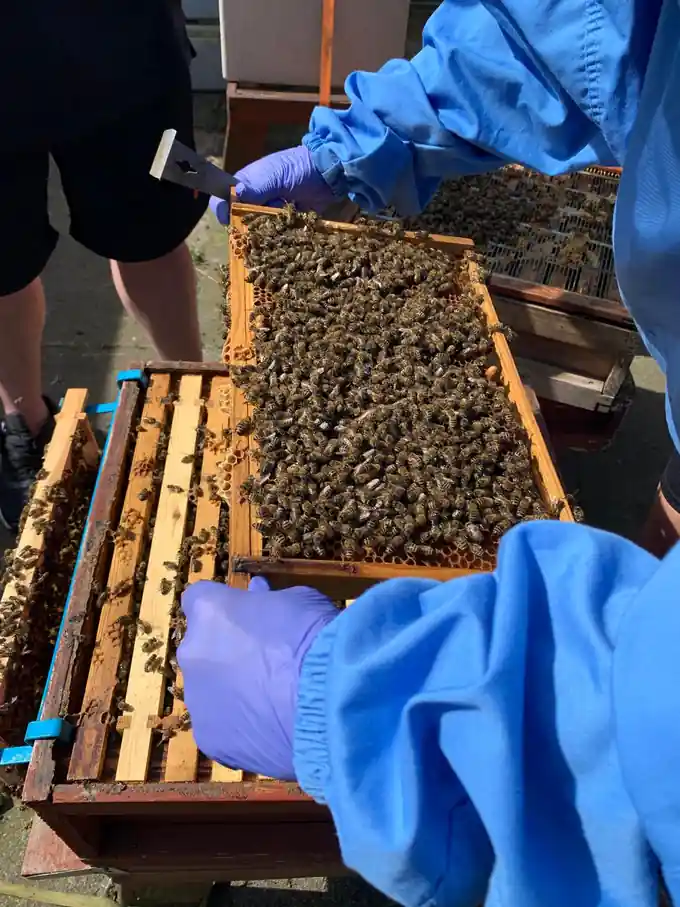
Shook swarm
A shook swarm can demonstrate planning, practical manipulation, biosecurity, comb management, welfare and reflective practice when it is genuinely justified.
See potential evidence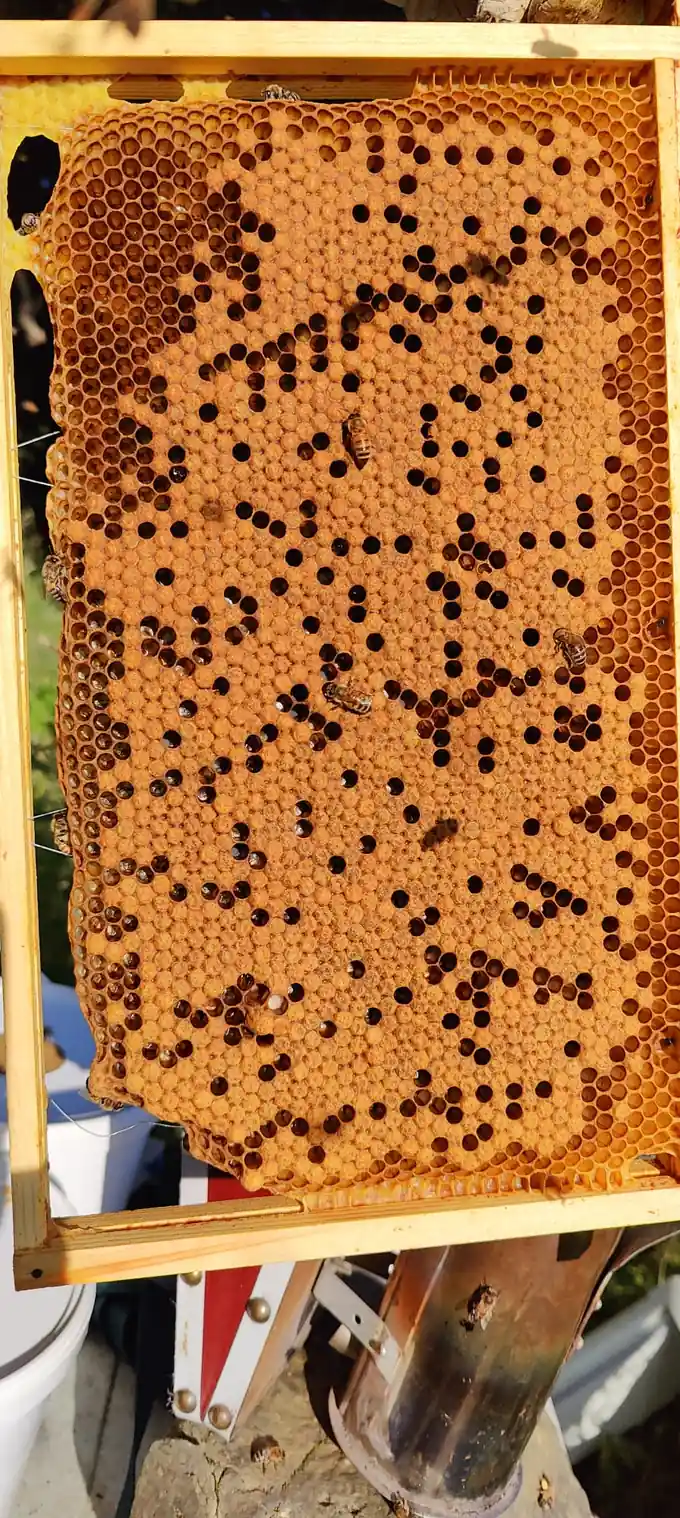
Bailey comb change
Evidence should show why comb renewal is appropriate, how the change is planned and how the colony is monitored through the transition.
See potential evidence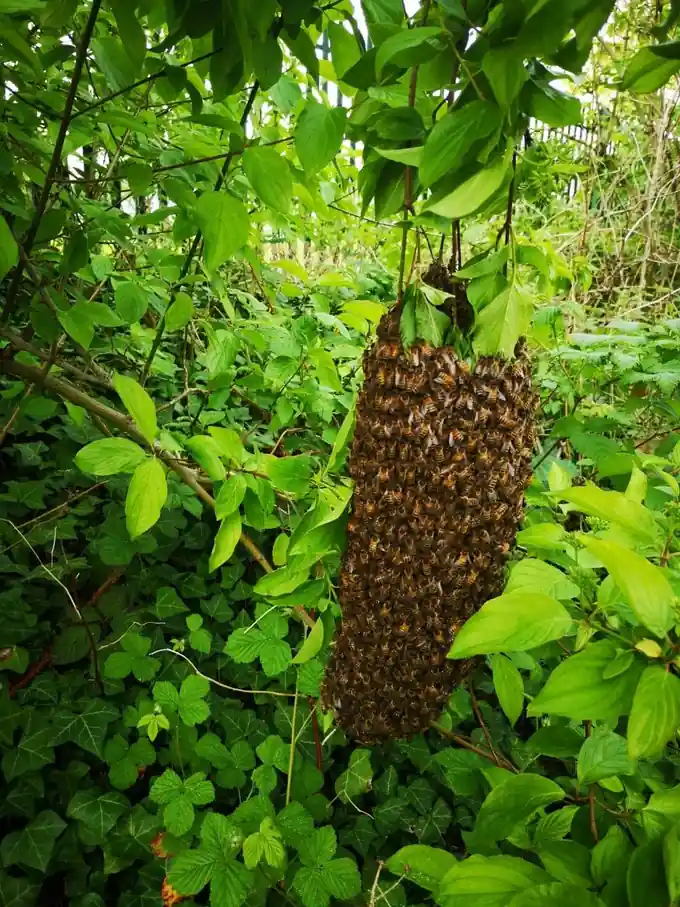
Swarm control
Swarm-control evidence is strongest when it captures early indicators, the learner’s chosen strategy, practical execution and later outcome.
See potential evidence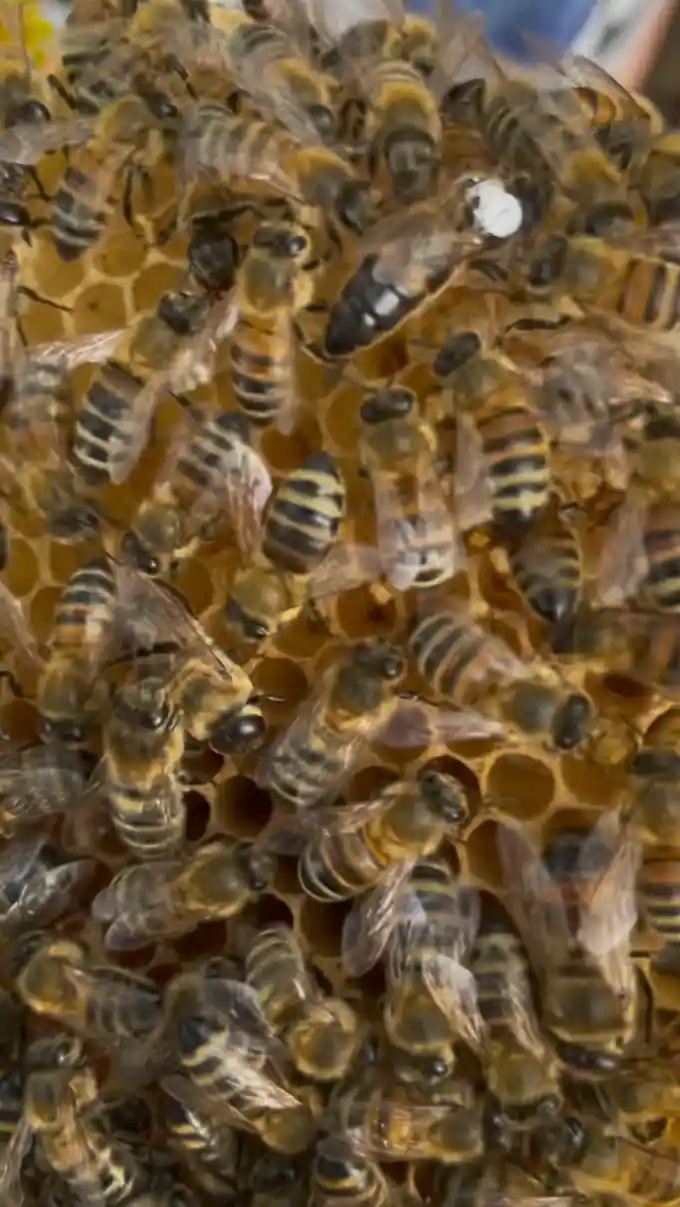
Queen introduction
The learner should demonstrate why requeening is appropriate, prepare the receiving colony, choose a suitable introduction method and confirm the outcome.
See potential evidence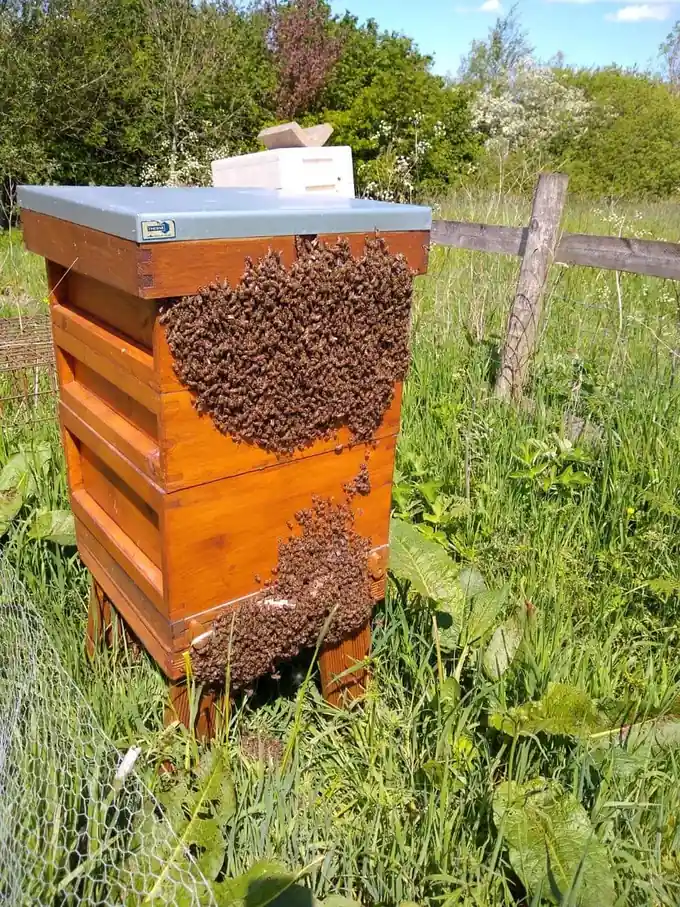
Making a nuc / split
A viable increase requires more than moving frames: the learner should show colony selection, resource balance, queen plan and follow-up.
See potential evidence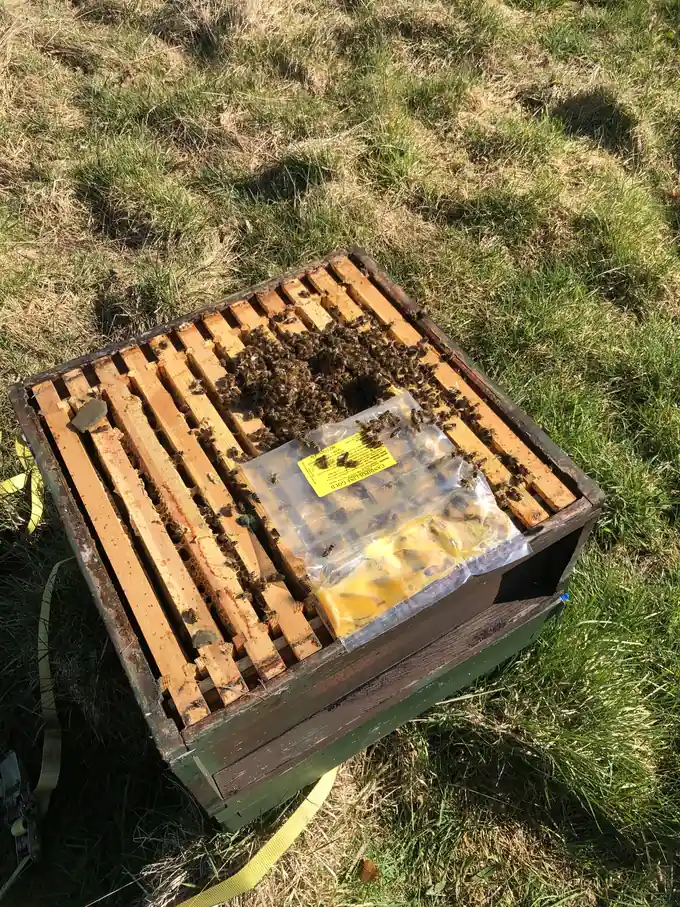
Feeding / stores assessment
Good evidence begins with assessment of need, not simply showing that feed was given.
See potential evidence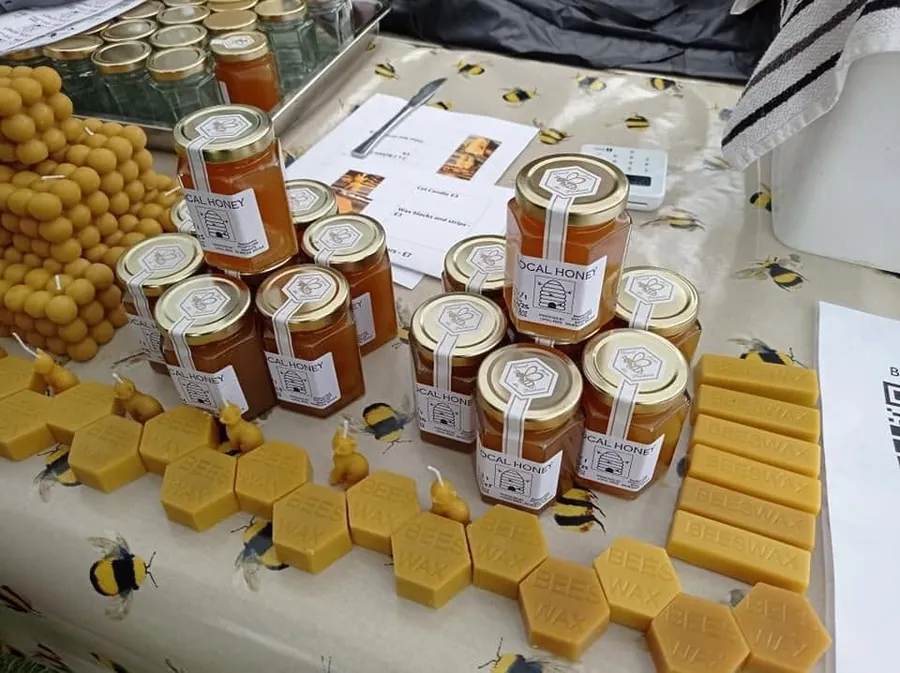
Honey harvest
A harvest can demonstrate crop assessment, hygienic handling, practical processing, equipment use and current selling requirements.
See potential evidence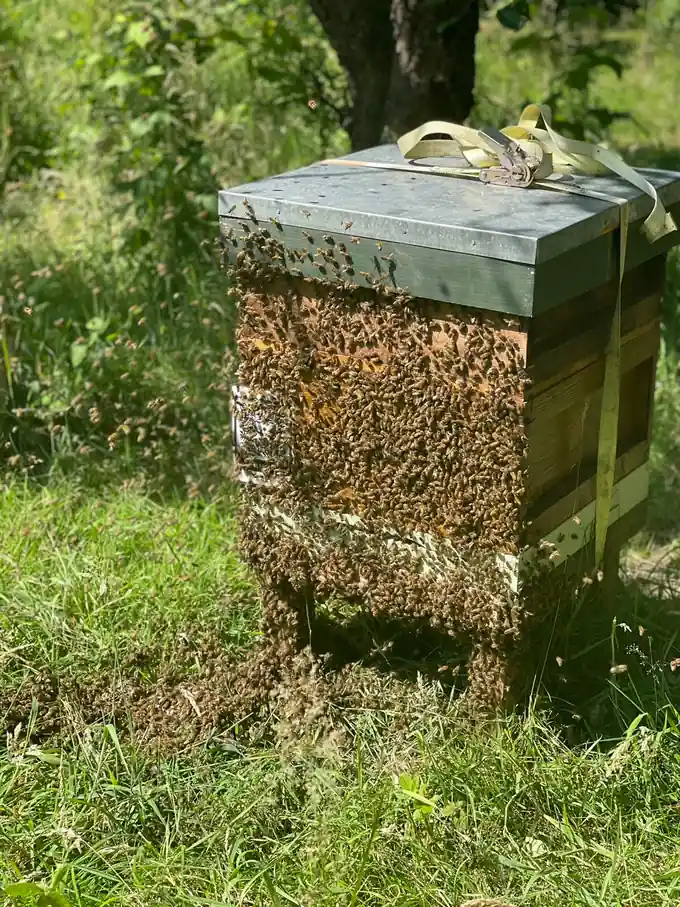
Autumn & winter preparation
Winter preparation should be based on the actual colony, local conditions and risks rather than a fixed checklist alone.
See potential evidence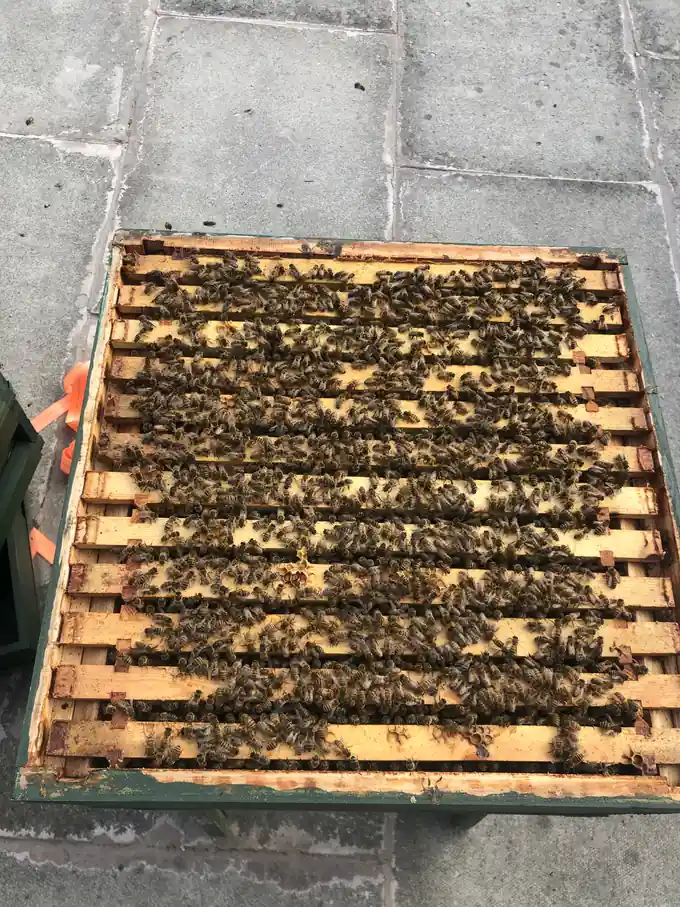
Moving a colony
A colony move can evidence planning, securing and ventilating the colony, safe handling, siting and biosecurity.
See potential evidence