
Use the Standards & Evidence Hub to understand what competent practice looks like, recognise naturally occurring evidence opportunities and prepare useful evidence without turning real beekeeping into a tick-box exercise.
Competency guides

Colony inspection, records and management decisions
Inspect proportionately, record accurately, interpret colony condition and make reasoned management decisions.
Read competency guide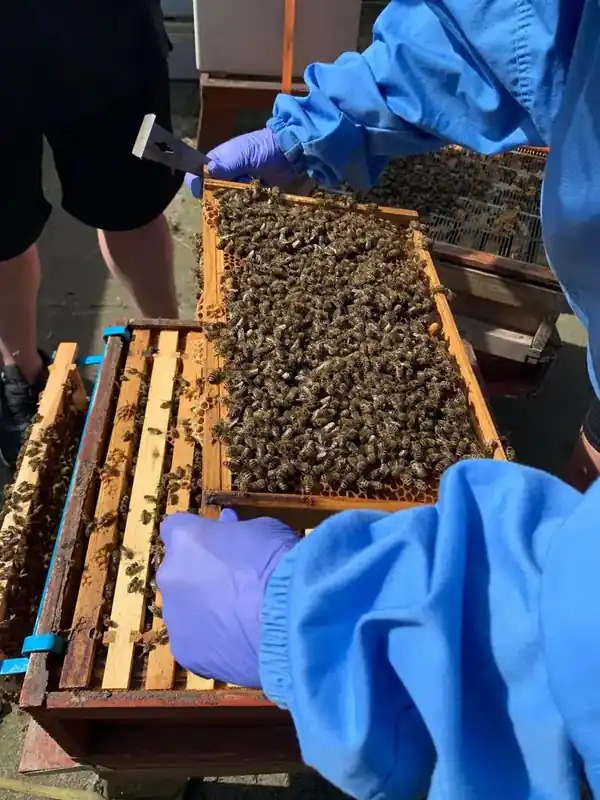
Biosecurity
Apply effective, proportionate biosecurity in routine beekeeping and higher-risk situations.
Read competency guide
Seasonal colony management and overwintering
Manage colonies through spring build-up, the active season, dearth, autumn preparation and winter.
Read competency guide
Nutrition, feeding and stores
Assess stores and nutritional status and make appropriate feeding decisions while managing associated risks.
Read competency guide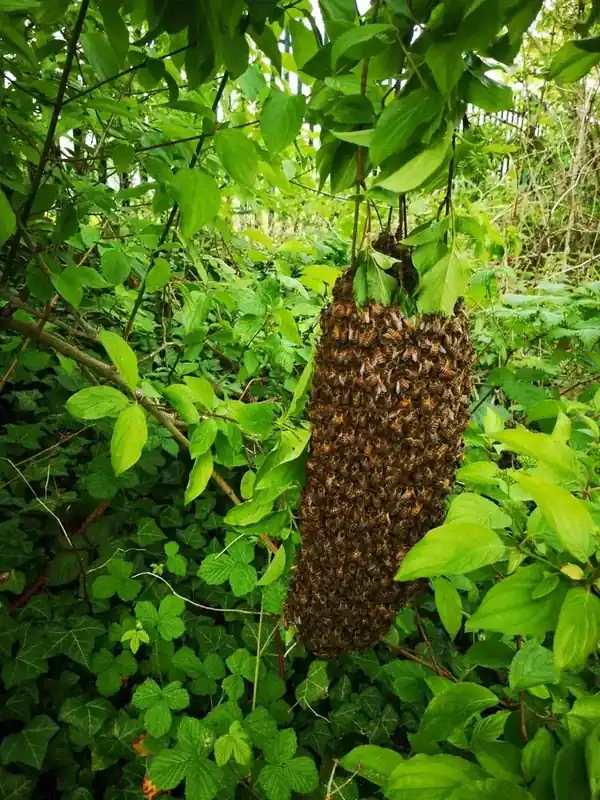
Swarm prevention, control and colony reproduction
Recognise swarm preparation, manage swarm risk and use appropriate control or increase methods.
Read competency guide
Queen status and colony recovery
Assess queen status from colony evidence and choose proportionate recovery actions when queen performance or mating fails.
Read competency guideSelective breeding, queen rearing and introduction
Select suitable breeding material, rear queens at an appropriate scale and introduce queens successfully.
Read competency guide
Varroa and parasitic mite management
Monitor mite pressure, interpret results, choose proportionate controls and review outcomes.
Read competency guide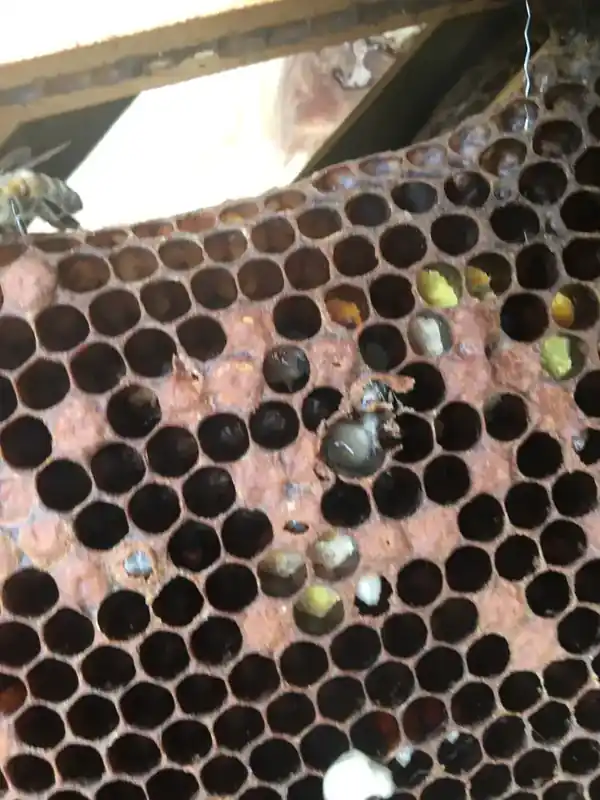
Adult and brood bee health
Recognise normal and abnormal signs, investigate possible causes and know when specialist, laboratory or statutory support is required.
Read competency guide
Establishing, increasing, uniting and moving colonies
Create viable increases, establish colonies, unite safely and move bees with appropriate planning and biosecurity.
Read competency guide
Honey production, harvesting and selling
Assess crop readiness, harvest hygienically, process and store honey, and understand current requirements for selling.
Read competency guide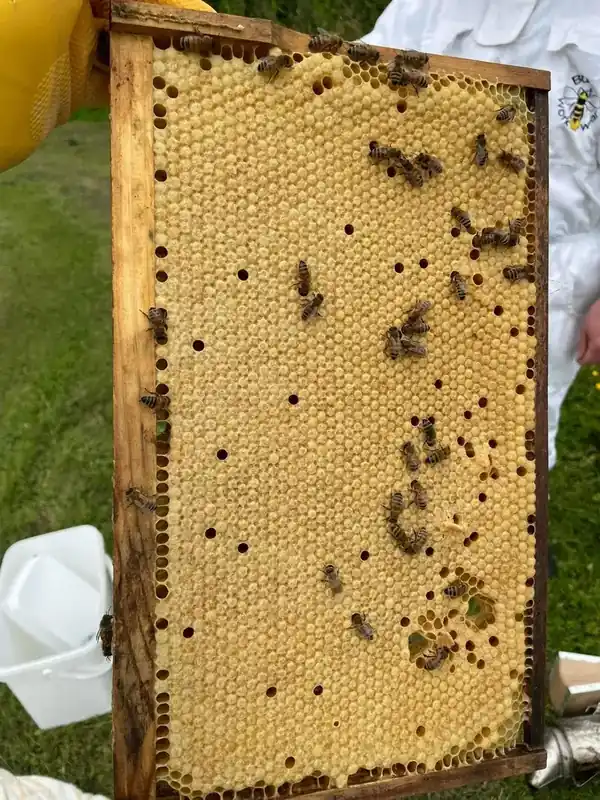
Hive, comb and equipment management
Select, maintain, clean, store and replace equipment and comb according to colony health, disease risk and management objectives.
Read competency guideApiary management and safe working
Site and manage apiaries responsibly and work safely around bees, equipment, people, livestock and the public.
Read competency guideExotic pests, invasive species and statutory responsibilities
Maintain surveillance for important threats, recognise suspicious signs and respond appropriately to statutory or inspector-led requirements.
Read competency guide
Reflective, responsible and evidence-led practice
Review outcomes, recognise limits, use reliable information and adapt decisions rather than following a rigid calendar.
Read competency guidePlan evidence by activity
Full colony health inspection
A normal colony inspection can provide rich, naturally occurring evidence when the learner records what they saw, how they interpreted it and what happened next.
See potential evidenceVarroa monitoring or treatment
Strong evidence shows the monitoring result, the learner’s interpretation, the reason for action or non-action and appropriate follow-up.
See potential evidenceShook swarm
A shook swarm can demonstrate planning, practical manipulation, biosecurity, comb management, welfare and reflective practice when it is genuinely justified.
See potential evidenceBailey comb change
Evidence should show why comb renewal is appropriate, how the change is planned and how the colony is monitored through the transition.
See potential evidenceSwarm control
Swarm-control evidence is strongest when it captures early indicators, the learner’s chosen strategy, practical execution and later outcome.
See potential evidenceQueen introduction
The learner should demonstrate why requeening is appropriate, prepare the receiving colony, choose a suitable introduction method and confirm the outcome.
See potential evidenceMaking a nuc / split
A viable increase requires more than moving frames: the learner should show colony selection, resource balance, queen plan and follow-up.
See potential evidenceFeeding / stores assessment
Good evidence begins with assessment of need, not simply showing that feed was given.
See potential evidenceHoney harvest
A harvest can demonstrate crop assessment, hygienic handling, practical processing, equipment use and current selling requirements.
See potential evidenceAutumn & winter preparation
Winter preparation should be based on the actual colony, local conditions and risks rather than a fixed checklist alone.
See potential evidenceMoving a colony
A colony move can evidence planning, securing and ventilating the colony, safe handling, siting and biosecurity.
See potential evidence